Last updated: October 23, 2026
Quick Answer: For most rooms, 2 home decor crafts are enough to change the look of a space without cluttering it. In this guide, Home Decor Crafts — The Complete Guide means handmade objects or surface treatments that change how a room looks or functions. Home decor crafts work best when they solve a real problem: a blank wall, a shelf that looks unfinished, or a room that feels expensive to furnish but not expensive to live in. The right craft project is not the one with the most steps; it is the one that fits your room, your tools, and the amount of time you actually have.
If the goal is to make a home feel finished without buying everything new, handmade decor can do that faster than a full redesign. The catch is that some projects look polished on social media and fall apart in a real room. In many cases, better results come from choosing crafts that are sturdy, scale correctly, and match the surface they’ll live on.
Key Takeaways
- Start with the room’s problem, not with the craft idea. A project should fill a visual gap or fix a functional annoyance.
- Pick materials for the setting: humidity, sunlight, traffic, and weight matter more than trends.
- The easiest-looking projects are not always the most useful, and frame-based, painted, and textile crafts usually last longer than fragile glue-heavy pieces.
- Small changes — a tray, pillow cover, wall hanging, or lamp shade — often improve a room more than a large, awkward statement piece.
- A good craft is judged by where it goes, how it holds up, and how much cleaning it will require later.
What counts as a home decor craft?
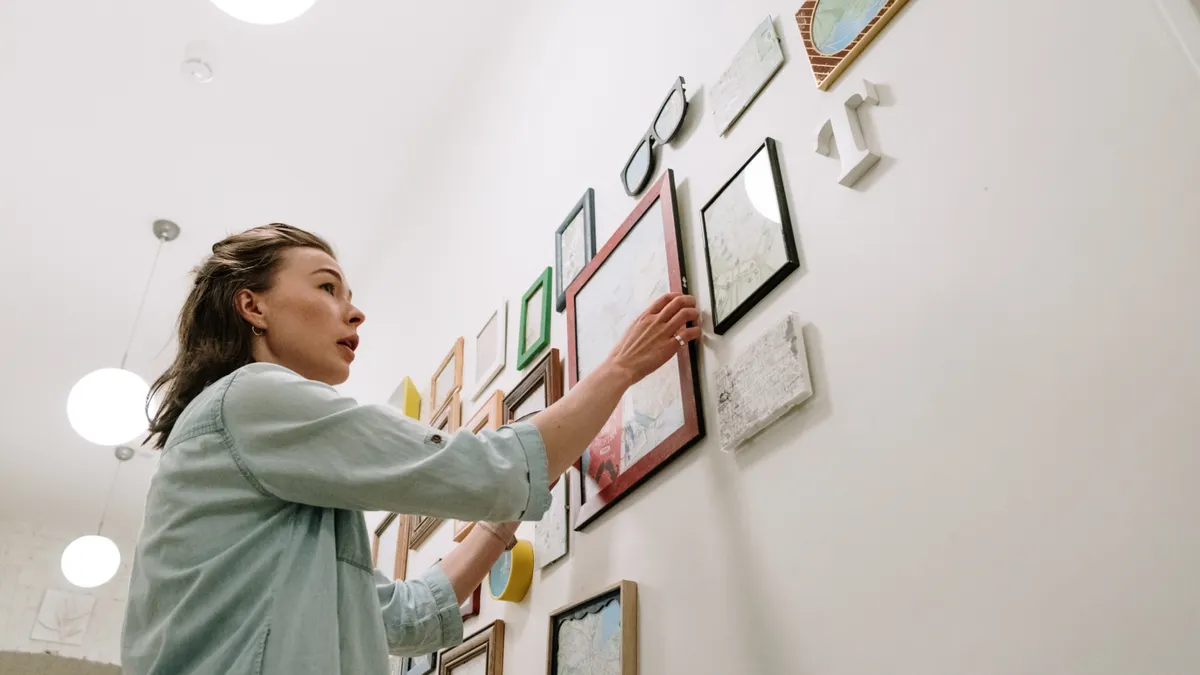
A home decor craft is any handmade object or surface treatment that changes how a room looks or functions, though for safety-sensitive spaces you may want to consult a professional and check guidance from the U.S. Consumer Product Safety Commission and the National Fire Protection Association before placing items near heat, moisture, or heavy use: https://www.cpsc.gov/ and https://www.nfpa.org/education-and-research/home-fire-safety . That includes painted planters, woven wall hangings, macramé, decoupage boxes, fabric-covered storage, candle holders, painted frames, clay accents, and custom textiles like pillow covers or table runners.
The useful dividing line is this: decor crafts should either add texture, control visual clutter, or bring a color story into the room. A project that only exists because it is cute usually ends up in a drawer. A project that solves a specific problem — an empty mantel, a dull shelf, a plain entry table — tends to stay in use.
The most common mistake is to treat every room the same, though room conditions vary enough that it can help to consult a professional or at least check trusted safety guidance when you are unsure about moisture, heat, or placement. A bedroom needs softer materials and lower visual noise. A kitchen needs washable finishes and heat-safe placement. A bathroom needs moisture-resistant materials. A living room can support more decorative risk because it usually has the most visual distance and the least splash exposure.
This is why the phrase “home decor crafts” covers more than glue guns and paint. A framed fabric panel, a clay bowl painted with mineral pigment, and a stitched pillow cover are all decor crafts if they are meant to shape the room. The craft becomes worth keeping when it does at least one of three jobs: it hides something ugly, fills empty space, or adds a material the room is missing.
For a dependable starting point, home decor crafts should be chosen like accessories, not like furniture. They need to fit the room’s scale. A 4-inch handmade object on a large console can disappear. A 36-inch wall piece made from lightweight wood can look intentional and calm. The size, not the effort, decides whether the piece reads as polished.
For room safety and surface care, the U.S. Consumer Product Safety Commission is a useful reference point for household hazards and placement concerns: https://www.cpsc.gov/ . For fire-safe handling around candles, lamps, and fabrics, the National Fire Protection Association’s home guidance is also worth checking: https://www.nfpa.org/education-and-research/home-fire-safety .
Which home decor craft style fits your space?
The best craft style is usually the one that matches the room’s wear level, not the one that looks most impressive on video. Painted and framed crafts win for most beginners; textile crafts win for softness and sound control; sculptural and mixed-media pieces win when a room needs a focal point.
A practical way to choose is by category:
- Painted crafts: best for frames, trays, flower pots, mirrors, and small furniture refreshes.
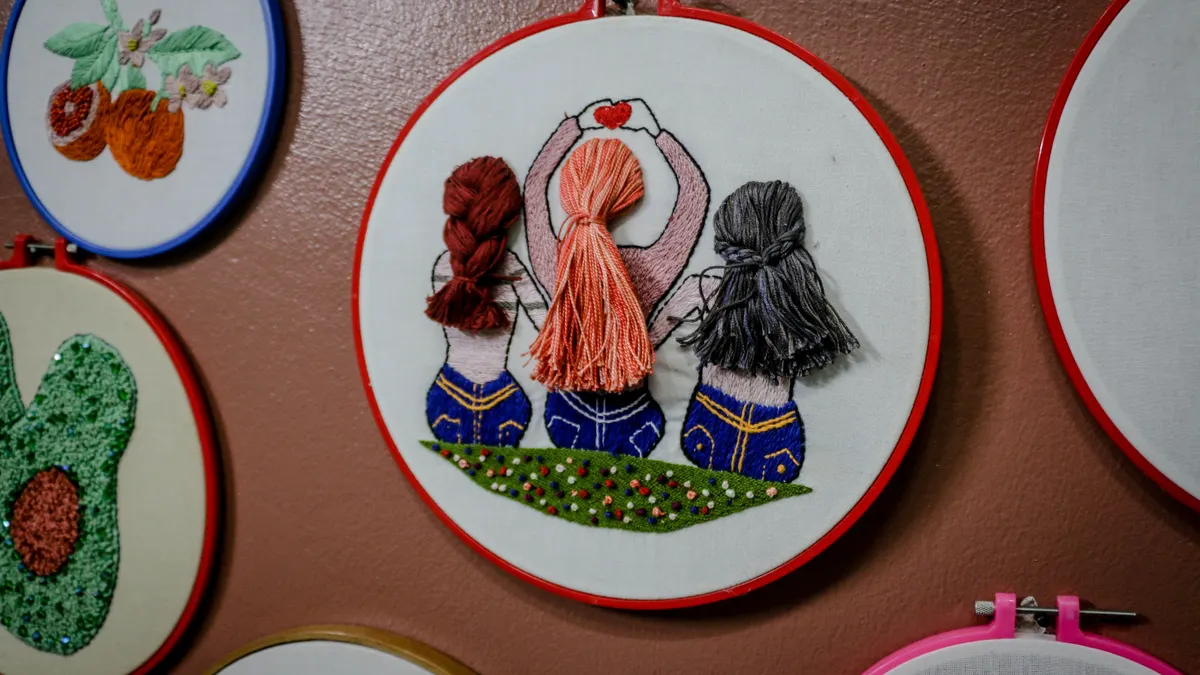
- Textile crafts: best for pillow covers, runners, curtains, wall hangings, and basket liners.
- Paper and decoupage crafts: best for covered boxes, lampshades, journal displays, and seasonal accents.
- Clay and air-dry crafts: best for small bowls, charms, knobs, and tabletop accents.
- Wood-based crafts: best for shelves, signs, beads, simple stands, and wall grids.
- Natural-material crafts: best for wreaths, garlands, dried florals, and rustic textures.
The strongest choice for most homes is painted or textile decor, because those projects survive daily life better than delicate assemblies. A pillow cover can be removed and washed. A painted tray can be wiped down. A wall hanging made from fiber or felt can live in a hallway without constant handling. A fragile paper craft near a kitchen sink is a bad bet.
The trade-off is that simple crafts can look ordinary if the material choice is weak. Cheap felt, thin ribbon, glossy paint on the wrong surface, or lumpy glue lines can make a project look unfinished. That is why the material matters more than the project category. Cotton canvas, linen, raw wood, ceramic, and matte-finish paint usually read as calmer and more expensive than shiny plastic craft supplies.
The other point many generic guides miss: the room itself sets the rules. If a room already has a lot of pattern, choose solid or low-detail crafts. If the room is mostly neutral, a textured object like a woven piece or carved wood works better than another beige object. If the room has very little natural light, avoid dark crafts that absorb more visual energy than they give back.
For a beginner who wants a lower-risk path, textile and painted crafts are a good place to start. For a person who wants a more sculptural look and is comfortable with mess, clay and wood projects can be stronger. For a child’s room or a rental, removable and reversible projects are usually the smarter choice.
The home decor crafts that actually hold up
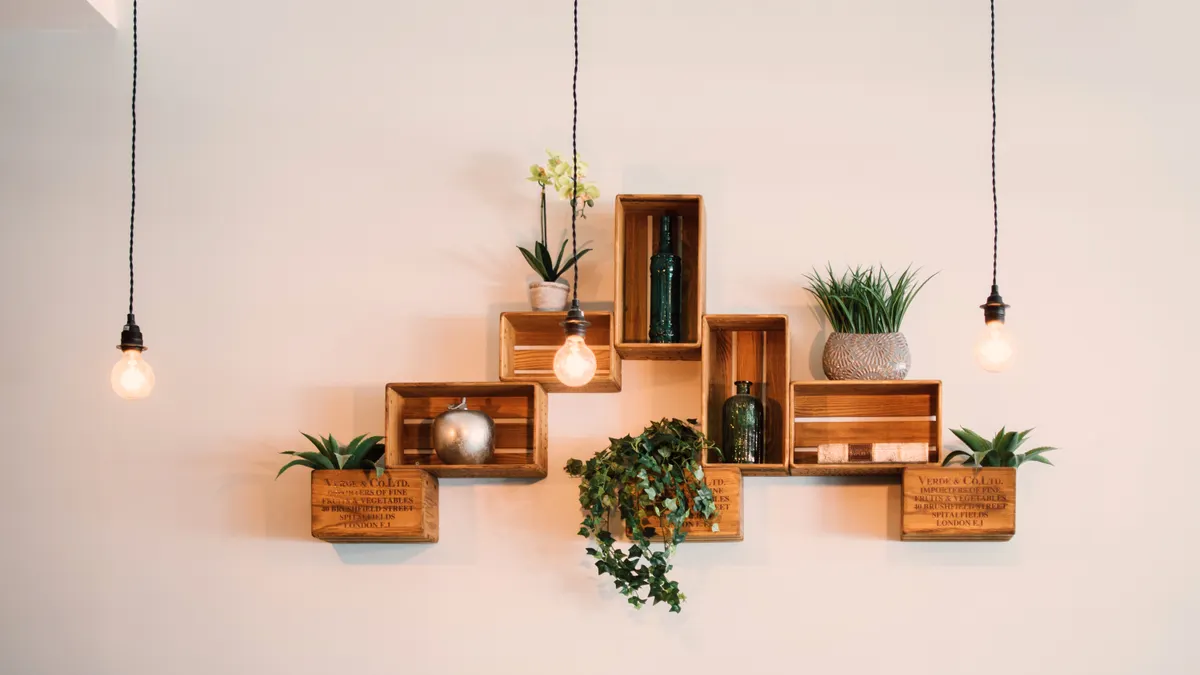
The crafts that last are usually the ones with fewer failure points. A project built from a solid base, a stable finish, and washable or replaceable parts beats one that depends on stacked embellishments and glue alone.
Painted trays, frames, and small furniture wins for utility
Painted pieces are the most practical decor craft because paint changes a room without forcing a structural redesign. A tray, frame, stool, or side table can be transformed with one evening of work and a finish that fits the room’s palette. Satin and matte finishes usually look more controlled than high gloss in living spaces.
The weakness is surface prep. If the object is slick, dusty, or greasy, the finish can chip early. That means sanding, priming, and choosing the right paint matter more than the color itself. A rushed paint job on a high-touch object becomes a maintenance issue fast. These projects are best for people who can tolerate prep and drying time, and who want visible impact from a low-cost material set.
The right user is someone who needs a plain item to blend into a room or wants a standard object to look custom. The wrong user is someone who wants instant results and no dry time. Painted decor is not ideal for humid zones without the correct sealant, and it is a poor fit for pieces that will be scrubbed often unless the coating system is designed for that use.
Textile crafts add softness, and softness is harder to fake
Textile crafts win in rooms that feel hard, echoey, or sterile. Pillow covers, table runners, wall hangings, fabric bins, and slipcovers introduce softness, absorb sound, and make a room feel lived in. A cotton or linen cover can shift the look of a sofa without replacing it. A fabric wall piece can calm a blank wall without adding bulk.
The main drawback is wear and cleaning. Light colors show stains. Loose weaves snag. Fringe collects dust. If the piece goes in a busy entry or near pets, a delicate fabric can become a chore. These crafts are best for bedrooms, reading corners, and living rooms where the surface won’t be rubbed every day.
Textiles also help with scale. A big room often needs something larger than a knickknack, but not everything can be framed art. A 20-inch pillow or a 40-inch runner gives the eye a rest. That makes textile crafts one of the best answers for rooms that feel unfinished but not empty.
Clay, wood, and natural materials give a room character
Clay bowls, carved wood accents, dried branches, and woven pieces bring a more grounded look. Their value is tactile: they add visual texture that flat paint cannot mimic. A small clay vase, a wood riser, or a reed basket can make a shelf feel curated instead of random.
The downside is fragility or weight. Air-dry clay can crack if made too thin. Untreated wood can warp. Dried natural materials shed and fade. These pieces are best used as accents, not as high-traffic items. They work especially well in entry tables, bookcases, and mantel displays where they can sit still and be admired from a distance.
A generic article often overstates the “handmade” look and leaves out maintenance. Natural decor is not maintenance-free. Dust gathers quickly, and sunlight can bleach dried materials. Use them when the room needs texture, but not where cleaning is already difficult.
How do I choose a home decor craft project that will not look cheap?
Choose a project that uses one strong idea, one clean finish, and one correct scale. Most “cheap-looking” crafts fail because they try to do too much with too little structure.
A reliable filter is this:
- Use one dominant material. One main material looks intentional; five random materials often look improvised.
- Repeat a room color. Even a handmade piece looks more expensive when it echoes an existing color in the rug, curtains, art, or pillow.
- Respect the object’s job. A tray should be flat and wipeable. A wall piece should be light enough to hang securely. A pillow should be soft enough to sit on.
- Avoid exposed glue and uneven edges. These are the fastest ways to make a craft look unfinished.
- Size it for the surface. A small craft on a big wall looks lost; an oversized craft on a narrow shelf looks awkward.
A common mistake is using too many “decorative” add-ons. Beads, ribbon, fringe, glitter, stencils, metallic paint, and fake flowers can all work separately. Put them all together and the piece often looks busy instead of finished. The safest approach is restraint. One texture plus one accent is usually enough.
The other issue is context. A nursery can handle more whimsy. A formal living room needs cleaner lines. A farmhouse kitchen may accept raw wood and muted florals. A modern room usually looks better with simple geometry and fewer color changes. This is where many craft guides fail: they present one project as universally good. It is not. The same piece can look charming in a cottage and cluttered in a minimalist apartment.
If a craft project needs a lot of explanation after it is finished, it may not be a good decor object. Good decor reads well at a glance. The viewer should not need to know the process to understand the result.
The honest side-by-side: which craft route wins for different rooms?
The best route depends on the room’s purpose, the amount of wear, and how much visual change is needed. Painted and textile crafts win most often, but each material has a clear use case where it outperforms the others.
| Criteria | Painted / Upcycled Decor | Textile-Based Decor | Winner for condition |
|---|---|---|---|
| Best for quick visual change | Changes color and finish fast on frames, trays, and furniture | Changes softness and palette, but shape stays mostly the same | Painted / Upcycled Decor for hard surfaces needing a reset |
| Best for softness and warmth | Can feel hard unless paired with other textures | Creates visible softness with cotton, linen, wool, or felt | Textile-Based Decor for bedrooms and living rooms |
| Best for easy cleaning | Wipeable if sealed correctly | Often washable if the item is removable | Painted / Upcycled Decor for trays and frames; textile for removable covers |
| Best for small budgets | Can reuse existing objects and avoid buying new bases | Can use scrap fabric, but yardage adds up | Painted / Upcycled Decor when an old object is already on hand |
| Best for beginner mistakes | Prep errors show quickly, but the concept is simple | Seams, edges, and sizing can be tricky without sewing skills | Painted / Upcycled Decor for absolute beginners |
| Best for renters | Portable objects can move with you | Portable and reversible, especially covers and hanging textiles | Textile-Based Decor for the least risk |
| Best for high-traffic areas | Good on shelves and tables if the finish is durable | Can wear faster where hands, pets, or spills are frequent | Painted / Upcycled Decor for entry tables and consoles |
| Best for visual texture | Depends on brush marks, distressing, or layered paint | Naturally strong through weave, fringe, quilting, and stitch | Textile-Based Decor for tactile rooms |
| Best for large wall impact | Can work if the object is sizable and light enough to hang | Often easier to scale up with wall hangings or fabric panels | Textile-Based Decor for large soft walls |
The clear winner for most homes is textile decor if the room needs softness, and painted decor if the room needs structure or a visual reset. The losing option in each case is the one that fights the room’s condition. A kitchen backsplash area does not want a delicate fabric piece. A bedroom wall that already has heavy curtains may not need another textile layer.
This comparison also exposes the main generic-guide mistake: treating decor crafts as a single category. They are not. Some projects are surface treatments, some are room softeners, and some are storage in disguise.
What are the best home decor crafts for beginners?
The best beginner crafts are the ones that still look intentional if the cuts are imperfect or the edges are slightly uneven. That means framed pieces, painted containers, fabric covers, and simple hanging forms.
The safest starter projects are:
- Painted picture frames: low cost, easy to redo, and immediately visible.
- Fabric pillow covers: useful, washable, and easy to swap seasonally.
- Decorative trays: practical on a dresser, console, or coffee table.
- Simple wall hangings: felt, yarn, or strip-fabric versions can fill a blank wall.
- Planter wraps or painted pots: small scale, forgiving, and easy to match to a room.
- Covered storage boxes: useful on shelves where clutter needs to disappear.
These projects share one important trait: they solve an everyday problem. A pillow cover changes the mood of a sofa. A tray corrals loose items. A frame gives a room a personal note. That practical value is what keeps a beginner piece from becoming clutter.
The trade-off is that beginner crafts are often easiest to make, not easiest to make well. Straight seams, even brush coverage, and neat edges still matter. A beginner should choose the simplest version of a project, not the most embellished one. A plain canvas pillow with a clean hem will usually look better than a highly decorated piece with weak construction.
The one category I would skip at the start is overly delicate mixed-media decor. Tiny glued flowers, stacked embellishments, and fragile layered papers tend to fail first. They are difficult to dust and easy to crush. If the goal is a room that looks better, not a craft that looks labor-intensive, simpler wins.
When should you skip a craft project and buy the finished item instead?
Skip the craft when the object must be structurally sound, heat-safe, moisture-resistant, or perfectly sized. Some decor jobs are better left to manufactured items because the risk of failure is too high.
Buy the finished version instead if the piece is:
- Near heat or open flame: lampshades, candle surrounds, and fabric accents close to candles should follow safety guidance and proper product design.
- Exposed to water often: bath accessories, sink-side trays, and shower-adjacent items need finishes that tolerate moisture.
- Supposed to support weight: shelves, hanging planters, and wall-mounted organizers need reliable hardware.
- Part of a matched set: if the room depends on exact uniformity, handmade variation may work against the look.
- Meant for constant handling: drawer pulls, door accessories, and tabletop items that get moved daily may need manufactured durability.
This is the most honest part of the guide: not every decor problem should be solved by crafting. A hand-painted object can be beautiful and still be the wrong tool. If a piece has to survive steam, grease, pulling, or repeated scrubbing, a store-bought version may be the better call.
That does not make crafting less useful. It makes it more strategic. Use crafts where visual payoff matters more than engineering. Use finished products where performance matters more than personality.
Which home decor crafts are worth making for a whole room?
The best room-wide craft strategy is to make one large anchor piece and a few smaller supporting pieces, not a dozen unrelated trinkets. That is how a room starts to feel designed instead of decorated.
A strong room plan looks like this:
- One anchor: a wall hanging, oversized framed fabric, painted statement panel, or a large textile.
- Two or three support pieces: a tray, pillow covers, a small vase, or a coordinated box.
- One repeating material: wood, linen, black metal, ceramic, or matte paint.
- One repeated color family: warm neutrals, muted greens, deep blues, or soft earth tones.
This structure gives the room coherence. Without it, even good crafts can look scattered. The biggest mistake is making each item independently interesting. A room filled with clever objects is not the same as a room with a visual system.
If the goal is a living room, start with a textile anchor and add only a few hard-surface pieces. If the goal is an entryway, use a tray, mirror, and one wall accent. If the goal is a bedroom, keep the palette softer and the material changes smaller. If the goal is a kitchen nook, choose wipeable pieces and avoid anything that traps grease or dust.
The honest trade-off is time. A coordinated room takes longer to plan than a single project. But that planning is what makes the crafts feel elevated. A one-off object can be charming. A group of objects that share size, color, and material reads as a finished room.
The verdict: which home decor craft approach should you choose?
Choose painted or upcycled decor if you want the fastest visual reset, already have a base object, and need something wipeable for a console, tray, or frame. Choose textile-based decor if the room feels cold, noisy, or unfinished and you want softness, washability, and easy swapping. Neither if the item must survive heavy moisture, heat, or constant handling, because a craft is the wrong tool for those jobs.
The clearest winner for most readers is textile decor for lived-in rooms and painted decor for hard-surface makeovers. That split is practical, not trendy. It matches how rooms actually function.
If the goal is to make a home feel more personal without turning it into a hobby workshop, start with one useful object and one soft object. A painted tray plus a pillow cover will usually do more for a room than three decorative objects with no clear purpose.
Drafted with AI; not yet reviewed by a person.
Leave a Reply