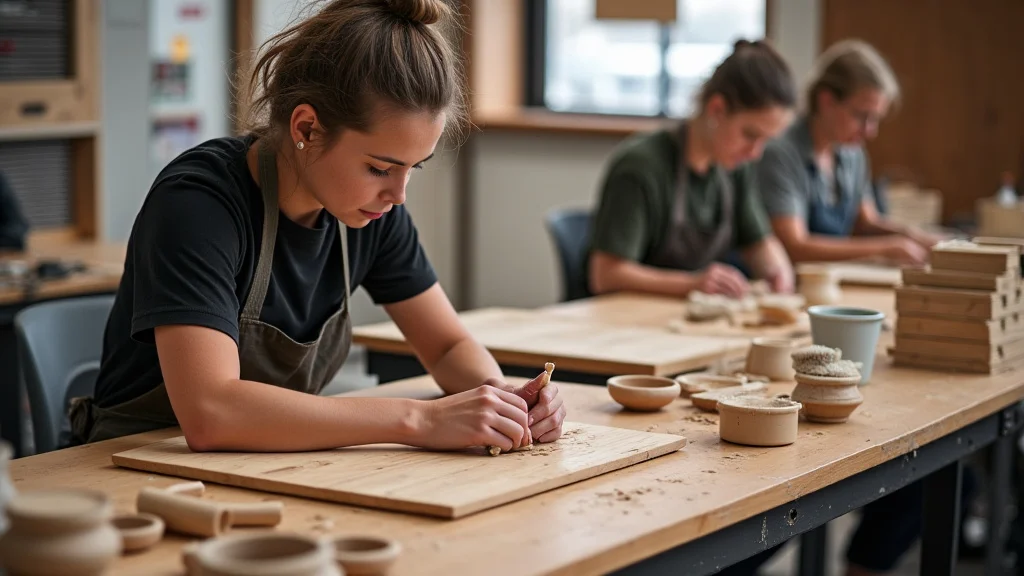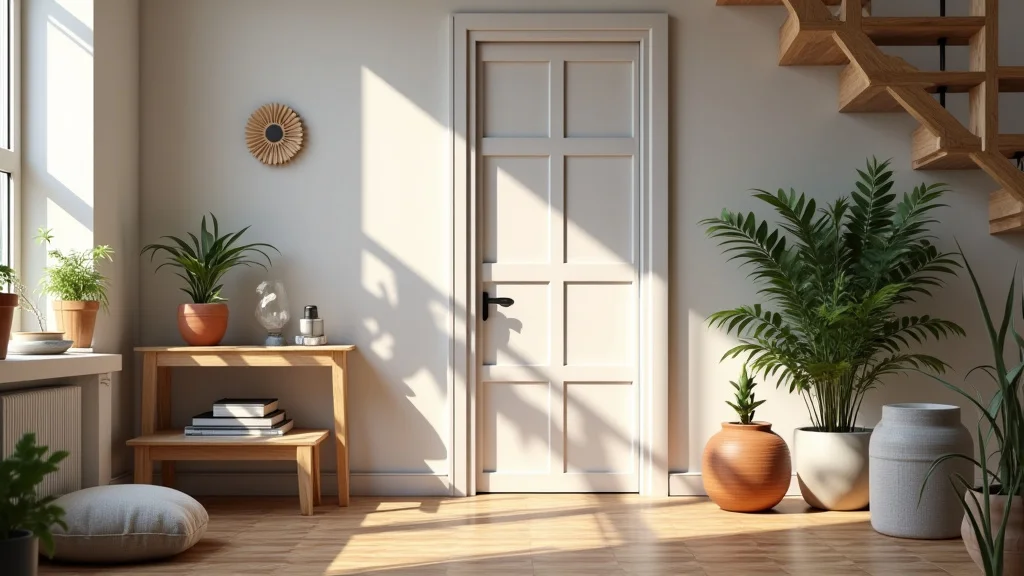
Remember that feeling of walking into a space that just felt right? Maybe it was your childhood bedroom, a cozy coffee shop, or even a friend’s studio. Creating a place where you love to spend time can be transformative. This post explores the world of a crafting house, showing you how to design and build your own creative studio. You’ll learn about the essential elements, from planning to setup, so you can turn your crafting dreams into reality. Get ready to transform your space and unleash your creativity! This guide will help you visualize and implement your ideas, giving you the tools to optimize your crafting area. The goal is to maximize your time and creativity. Prepare to build a fantastic crafting house!
Key Takeaways
- Learn how to plan and design a functional crafting space.
- Discover the best storage solutions for different crafting supplies.
- Explore lighting, ventilation, and other essential elements of a crafting house.
- Find inspiration for decorating and personalizing your creative haven.
- Gain tips for organizing and maintaining your crafting house.
- Understand how to create a crafting space that promotes productivity and inspiration.
Planning Your Ideal Crafting House
Before you start moving furniture or buying supplies, a solid plan is essential. Consider the size of your space, the type of crafts you enjoy, and the amount of storage you’ll need. Think about how you’ll move around within the space. Will you need a large table for quilting, or smaller workstations for jewelry making? These initial considerations will shape your design.
Assessing Your Space and Needs
Start by evaluating the available space. Measure the room (or area) carefully. Note the locations of windows, doors, electrical outlets, and any existing features like built-in shelves. Consider the lighting conditions. Natural light is great, but you’ll also need good artificial lighting. Write a list of your preferred crafting activities and the equipment or supplies they involve. This list helps you determine the amount of workspace, storage space, and other specific requirements, such as ventilation for paint fumes.
A crafting area should cater to your specific hobbies. If you love painting, you’ll need a large easel and a surface to clean brushes. If you’re a knitter or crocheter, you’ll need a comfortable chair and plenty of space for yarn storage. Tailor the space to your needs.
- Space Measurement: Accurately measure the available area, taking note of walls, doors, windows, and electrical outlets.
- Crafting Inventory: List every craft you enjoy and the corresponding tools, supplies, and equipment needed.
- Workflow Mapping: Visualize the process of each craft to plan your workspace layout.
- Storage Assessment: Evaluate the types and amounts of storage needed for various items like fabric, paints, tools, and materials.
Designing Your Workspace Layout
The layout of your crafting area should promote efficient workflow and comfortable movement. Think about traffic flow. Place larger work surfaces near natural light sources. Group similar activities together. For example, your sewing machine and ironing board can be in the same area. Ergonomics are key. Ensure that all your work surfaces are at a comfortable height to avoid back pain and other physical strains. Create zones for different activities: a cutting area, a sewing area, a storage area, etc.
A well-designed layout can improve your enjoyment of crafting. This can help you focus on the creative process. It can also help reduce distractions. It’s best to plan this before you buy your supplies. Get a good understanding of what you need and what you do not.
- Ergonomic Considerations: Position furniture and equipment to minimize physical strain during extended crafting sessions.
- Zone Creation: Establish specific zones for different activities, such as cutting, sewing, or painting, to improve organization.
- Traffic Flow: Ensure clear pathways to move around the crafting house.
- Lighting: Make sure adequate lighting is present to avoid eye strain.
Essential Elements of a Crafting House
Once you have a layout, consider the critical aspects that will make your space functional and enjoyable. These include lighting, ventilation, storage, and seating. Good lighting is essential for preventing eye strain and ensuring accuracy. Ventilation is important for removing fumes from paints, glues, and other materials. Adequate storage keeps your supplies organized and accessible. Comfortable seating allows you to craft for long periods without discomfort.
Lighting and Ventilation in a Crafting Area
Good lighting and ventilation are often overlooked. Natural light is ideal, but supplement with artificial lighting. A combination of overhead lighting, task lighting, and accent lighting can create a well-lit and comfortable space. Consider the placement of your work surfaces to maximize natural light. Ventilation is also critical, especially if you use paints, glues, or other materials that emit fumes. Make sure you have adequate ventilation to prevent the build-up of harmful fumes.
Proper lighting enhances visibility and reduces eye strain. Adequate ventilation ensures a healthy crafting environment. This also prevents the accumulation of odors and fumes. A well-lit and well-ventilated space is more enjoyable and can promote better crafting.
- Task Lighting: Provide focused lighting directly over work surfaces for detailed crafts.
- Natural Light: Place your crafting area near windows to take advantage of natural sunlight.
- Ventilation System: Install an air purifier or ensure adequate ventilation.
- Air Quality: Ensure clean air for a safe and healthy crafting environment.
Storage Solutions for Crafting Supplies
Storage is essential for keeping your crafting supplies organized and accessible. Consider different types of storage, such as shelves, drawers, cabinets, and bins. Think about what you need to store. Store small items in clear containers. This makes it easy to find what you need. Label everything. This helps maintain organization. Choose storage solutions that match your personal style and the overall aesthetic of your space. Consider space-saving storage to maximize the area.
There are many storage solutions for crafts. This helps keep everything in order. A well-organized space saves time and reduces stress. It also allows you to find your supplies quickly. This improves your crafting experience.
- Open Shelving: Ideal for displaying and easily accessing frequently used supplies.
- Closed Cabinets: Suitable for storing items that need protection from dust and light.
- Clear Containers: Use clear bins or boxes to see contents at a glance.
- Labeling: Label all containers, drawers, and shelves for easy identification.
Furniture and Seating
The right furniture can make your crafting experience far better. The work surface should be at a comfortable height. Make sure you have enough space to work. Choose a chair that provides good support. You’ll likely spend hours sitting while you craft. Select furniture that fits the size of your space and your individual needs. Consider multi-functional furniture, like a desk with built-in storage. Comfortable, well-designed furniture will create a more enjoyable and productive crafting environment.
Ergonomic furniture can reduce discomfort and allow for longer crafting sessions. Invest in a chair with good lumbar support. This will help you avoid back pain. A well-designed workspace supports your physical well-being. This will allow you to focus on your creative work.
- Ergonomic Chair: Choose a chair with good lumbar support to reduce strain during extended sessions.
- Adjustable Work Surfaces: Ensure work surfaces are at a comfortable height for the type of craft you engage in.
- Storage Integrated Furniture: Opt for desks or tables with built-in storage to maximize space.
- Comfort: Make sure your furniture is comfortable.
Personalizing and Decorating Your Crafting House
Now that you have the basic elements in place, it’s time to add personal touches. Your crafting area should be an inspiring space. Choose colors, art, and decor that reflect your personality and style. Display your finished projects. This will add character to the space. You can add things that make you feel good.
Color and Decor
Color has a powerful effect on mood and creativity. Choose colors that inspire and motivate you. Consider using a neutral base color and adding pops of color through your decor. Display your own artwork or the artwork of others. This can add personality. Bring in plants. Plants can improve the overall atmosphere. Add decorative items that reflect your crafting interests and your personal style. Create a space that you love to be in.
Personalized decor inspires creativity. It enhances the enjoyment of your space. Choosing the right colors and decorating can transform your crafting area. This will make it a more enjoyable space.
- Color Palette: Select colors that inspire creativity and reflect your personal style.
- Artwork: Decorate the area with art to give it character.
- Personal Items: Display items like collectibles or photographs.
- Plants: Add plants to enhance the atmosphere of the room.
Organizing and Maintaining a Functional Space
A well-organized space helps you stay focused. Implement a system to keep your supplies in order. Regularly declutter your area. Return items to their storage locations after each use. Schedule time for cleaning and organizing. A tidy space will help you stay creative. It will also reduce the time you spend looking for items.
Regular maintenance will help to keep your crafting house a pleasant space. A regular cleaning schedule will keep things tidy. Organizing your supplies will prevent clutter. A well-organized space is key for a productive environment.
- Regular Decluttering: Regularly get rid of items you no longer need.
- Supply Placement: Ensure that frequently used supplies are easily accessible.
- Cleaning Schedule: Set aside time each week for cleaning and organizing your space.
- Supply Inventory: Know what you have, so you don’t overbuy or run out.
Crafting House Inspiration
Finding inspiration is vital for creating a space that promotes creativity. Explore different ideas online, in magazines, and in other creative spaces. Gather ideas from different sources and tailor them to your personal style. Remember that the crafting house is for you. Make it a reflection of your own interests.
Exploring Interior Design
Interior design offers a wealth of ideas for crafting spaces. Look at different styles of design to get some ideas. Consider how the different designs meet your needs. Research different design schemes. Look at pictures and consider their functionality. Pay attention to the use of space. You can get ideas by looking at different areas.
You can find inspiration in a variety of places. You can develop your own space by taking elements that you like. By collecting ideas, you can build the crafting house you always wanted.
- Online Platforms: Explore sites like Pinterest, Houzz, and Instagram for ideas.
- Home Design Publications: Browse home design magazines to discover layouts and decor ideas.
- Visits to Craft Stores: Find out what works and what does not work.
- Color Palettes: Get ideas to use in your space.
Case Studies: Successful Crafting House Designs
The following are examples of well-designed crafting houses. The first is a multi-purpose room that doubles as a guest bedroom. This shows how you can use limited space. The second is an expansive studio. It includes custom storage solutions and large work surfaces. Both houses provide functionality and beauty.
- The Convertible Craft Room: A crafter transformed a spare bedroom into a versatile space. This involved modular furniture and plenty of storage. The room can transition from a guest room to a crafting space. Key features include a fold-down desk that serves as a sewing station and a bed that can be hidden away. This flexible design maximizes space.
- The Dedicated Studio: This crafter turned a separate room into a fully dedicated crafting studio. This involved custom-built cabinets. The studio offers a large cutting table. It also provides a dedicated area for painting. The design emphasizes natural light and a calming color scheme. It promotes focus and inspiration.
Common Myths Debunked
Myth 1: You need a big space for a crafting house.
You don’t need a huge room for a crafting house. A small corner or spare room can be sufficient. You can organize your space. You can use vertical storage solutions. You can also use foldable tables.
Myth 2: Crafting is expensive.
Crafting doesn’t have to be expensive. You can find materials and supplies at lower costs. You can buy used items. You can also use materials you already have.
Myth 3: You need to be naturally creative.
Creativity is something that can be developed. You can experiment. You can practice. You can learn new skills. You can use your creativity to build a crafting house.
Myth 4: Crafting is just for girls.
Crafting is for everyone. Men and women alike can enjoy crafting. Crafting offers many opportunities for creativity and self-expression. There’s a wide range of crafts for all.
Myth 5: It’s too late to start a new craft.
It’s never too late to try something new. You can start crafting at any age. Learning a new skill is fun and enriching. This allows you to explore your creative interests.
Frequently Asked Questions
Question: How much space do I need for a crafting house?
Answer: The space you need depends on your crafting hobbies. You can still create an effective space with a small area. Plan it well.
Question: What are the must-have supplies?
Answer: The essentials depend on your crafts. Generally, include adequate lighting, storage, and a comfortable work surface.
Question: Can I craft on a budget?
Answer: Yes. Look for sales, use coupons, and buy used items to save money.
Question: How do I store my supplies?
Answer: Use a mix of shelves, drawers, and clear containers. Label everything.
Question: What kind of lighting should I use?
Answer: Aim for a mix of natural and artificial lighting. Use task lighting for detailed work.
Final Thoughts
Crafting is an amazing way to express yourself, and building a crafting house is a fantastic way to support your creativity. The most important thing is to make your space functional, inspiring, and unique. Consider how your crafting space will look and function. Start with a plan, consider your space, and select the right furniture. Then add your own personal touches. By creating a space that you enjoy, you can enjoy all the benefits of crafting. Don’t worry about being perfect. Focus on making your space your own. This will allow you to work on your creative projects more effectively. Set up your crafting house and get started today!