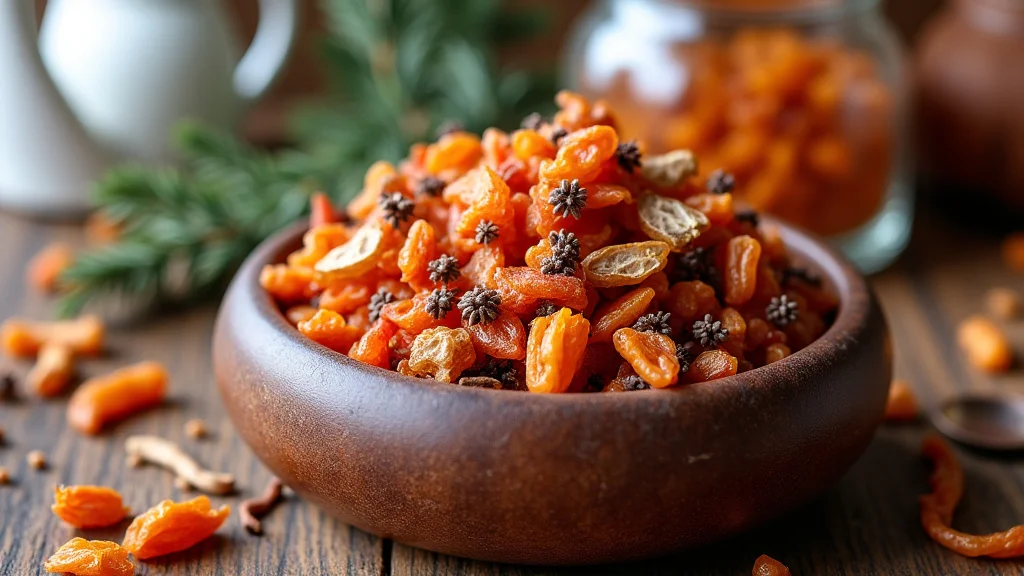
Remember that time you walked into your grandmother’s house and were instantly enveloped in the most delightful aroma? Chances are, she had a beautifully crafted bowl of homemade potpourri sitting on her coffee table. It’s a simple pleasure that can transform any space, making it feel more welcoming and inviting. This post will guide you through the process of crafting homemade potpourri, from selecting the perfect ingredients to arranging them in a visually appealing way. You’ll gain the skills to create your own unique blends and learn how to maintain their fragrance. Prepare to add a personal touch of scent and style to your home!
Key Takeaways
- Learn how to choose and prepare the best natural ingredients for your potpourri.
- Discover step-by-step instructions for the crafting homemade potpourri process.
- Understand the different drying methods to preserve your botanicals.
- Explore various fragrance options and how to blend them effectively.
- Get creative ideas for displaying your finished potpourri.
- Find helpful tips for maintaining the scent and freshness of your creations.
The Art of Selecting Your Ingredients
The first step in crafting homemade potpourri is choosing the right ingredients. This involves selecting botanicals that not only look beautiful but also release wonderful scents. You can find many options in your own garden, at a local farmer’s market, or even online. The key is to choose items that are fresh, high-quality, and free from any signs of damage or decay. This section provides a look at the types of ingredients you should consider, plus where you can find them.
Botanical Treasures: Flowers, Leaves, and More
The core of any good potpourri is a selection of dried flowers, leaves, and other plant materials. These act as the visual elements and provide much of the base fragrance. Consider incorporating a mix of textures and shapes to create visual interest. Think about using a variety of flower types, such as roses, lavender, chamomile, or marigolds, and foliage like bay leaves, eucalyptus, or even dried citrus peel. Experimenting with different plant parts allows for a custom design. The possibilities are truly endless, so have fun with your choices.
- Flowers: Roses, lavender, and chamomile are excellent choices for their fragrance and visual appeal. Roses, for instance, come in many colors and offer a classic look and scent. Lavender provides a calming aroma and a beautiful purple hue. Chamomile contributes a gentle scent and delicate appearance.
- Leaves and Herbs: Bay leaves, eucalyptus, and mint leaves add depth and complexity to the scent profile. Bay leaves offer a subtle, warm fragrance that complements floral scents. Eucalyptus leaves provide a refreshing, invigorating aroma. Mint leaves contribute a fresh, green scent that brightens any blend.
- Fruits and Spices: Consider including dried citrus peels, cinnamon sticks, star anise, and cloves for a warm, spicy note. Dried citrus peels add a bright, zesty aroma, while cinnamon sticks and cloves contribute a warm, comforting scent. Star anise provides a unique licorice-like fragrance.
- Seeds and Pods: These elements add interesting textures and subtle scents. Consider using items like poppy pods, lotus pods, or even dried beans. These will add diversity in your design.
Dried roses, lavender buds, and chamomile flowers are all popular options for crafting homemade potpourri. These ingredients not only add a lovely scent but also contribute to the visual appeal of the final product.
Freshly harvested or purchased leaves and herbs are essential for adding depth and complexity to your potpourri. When drying these ingredients, be sure to lay them flat or hang them upside down to preserve their shape and scent.
Dried citrus peels, cinnamon sticks, and star anise can add a warm, spicy touch to your potpourri blend. The key is to find a balance among the scents and visual aesthetics of the ingredients.
Seeds and pods provide the right amount of texture and a variety of scents. Their shape and size add a layer of intrigue to your blends.
Sourcing Your Materials
Finding the right ingredients is nearly as important as the selection of ingredients themselves. The best materials are often those you can gather yourself from the outdoors. If you’re not a gardener, there are many alternative options. This section offers suggestions on where to gather the best materials for your potpourri and ensure freshness and quality.
- Your Own Garden: This is perhaps the best source, providing fresh, organic materials at no cost. This provides you with complete control over the ingredients used. You can choose different types of flowers, herbs, and other plant parts.
- Farmer’s Markets: These markets are an excellent place to find seasonal blooms and herbs. This also offers the chance to support local growers. You can also ask for guidance on what grows well in your area.
- Specialty Shops: Consider floral shops or craft stores. These shops often have a selection of dried flowers, herbs, and essential oils. The advantage is that you can often buy in bulk or find items you might not readily find elsewhere.
- Online Retailers: Online shops such as Etsy are great for finding unique or hard-to-find ingredients. Online resources offer a wide variety of botanical options from all over the world, which can enhance your creative options.
Your own backyard can be a goldmine of materials, especially if you cultivate herbs and flowers. This allows you to choose exactly what goes into your potpourri and avoid any unwanted chemicals or preservatives.
Farmer’s markets offer a diverse selection of fresh flowers, herbs, and spices. Buying from local vendors ensures high-quality ingredients and often provides more unique options than you might find elsewhere.
Florists and craft stores provide a curated selection of dried flowers and other materials specifically designed for potpourri. You can find pre-dried options as well as a variety of essential oils to enhance the scent.
Online retailers offer a vast selection, including exotic ingredients and ready-to-use mixes. Ensure you check reviews and ratings to make certain of ingredient quality before buying.
Drying and Preserving Your Ingredients
Once you’ve collected your ingredients, you’ll need to dry them to remove moisture and preserve their shape, color, and scent. This is a crucial step in crafting homemade potpourri. This section will explore the different drying methods available, including how to prepare your ingredients. It’ll also cover useful tips for successful drying and preserving your botanicals.
Air Drying Methods
Air drying is a simple and effective method for preserving flowers, herbs, and other plant materials. It involves hanging or laying out your ingredients in a dry, well-ventilated space. The key is to ensure proper airflow to prevent mold and mildew. This method is suitable for most types of ingredients, allowing you to dry many items simultaneously.
- Hanging: This is ideal for flowers and herbs with sturdy stems. Gather the stems into small bundles, secure them with twine or rubber bands, and hang them upside down in a dark, dry place. The inverted position helps the flowers retain their shape.
- Flat Drying: Lay flowers, leaves, and other delicate items flat on a screen or a sheet of paper in a dry, airy place. This is especially good for preserving the shape of petals. Turn the ingredients periodically to ensure even drying.
- Drying Time: Drying times vary depending on the plant material and the environment. Most ingredients will take from one to four weeks to dry completely. Touch and feel to check whether they are ready.
Hanging your herbs and flowers upside down is a classic drying method. It is best used for herbs and flowers that have strong stems. Ensure the space is well-ventilated to prevent mold.
Flat drying is perfect for delicate petals and leaves. Spreading them out ensures that they dry evenly, which is critical for preserving their color and shape. This method is effective for a wider range of items.
Be patient with the drying process, as the length of time varies depending on the materials and environmental conditions. You’ll know the ingredients are ready when they are stiff and dry to the touch.
Alternative Drying Techniques
While air drying is a common method, other techniques can be used to speed up the process or preserve certain types of botanicals. These options will allow you to get creative with your drying approach. Here is a look at a few alternative ways to dry your potpourri ingredients.
- Oven Drying: Oven drying can be used for flowers and herbs. Preheat your oven to a low temperature (around 175°F or 80°C). Arrange the items on a baking sheet and bake for short periods, checking frequently to prevent burning.
- Microwave Drying: The microwave is great for quick drying, especially for small batches. Place the ingredients between paper towels and microwave on short intervals, checking frequently.
- Silica Gel Drying: Silica gel is useful for drying flowers while preserving their shape and color. Bury the flowers in a container filled with silica gel beads and seal it. The gel absorbs moisture, keeping the flower intact.
Oven drying is a faster alternative. Keep the oven temperature low and keep a close eye on your items to prevent overheating. This method works well for ingredients that you need to dry quickly.
Microwaving is best for smaller amounts of ingredients. Use short bursts and inspect frequently to avoid overheating. This is a quick fix for drying ingredients.
Silica gel is useful for preserving the shape and color of delicate flowers. This method is ideal for those who value the visual aesthetics of the flowers in their potpourri.
The Art of Scent Blending
A crucial part of crafting homemade potpourri is the fragrance, which can completely alter the feeling of any room. This is where you can truly get creative and tailor your creations to your specific preferences. There are various avenues for adding scent, from using essential oils to infusing natural fixatives. This section will guide you through the process of developing scents for your potpourri and how to enhance their staying power.
Fragrance Options: Essential Oils and More
Essential oils are the heart of any potpourri’s scent profile. They are potent and concentrated extracts from plants, providing a natural and long-lasting fragrance. Consider different fragrance types to create complex and appealing scents. Experimentation is important, so have fun as you build your collection of options.
- Essential Oils: Lavender, rose, chamomile, and citrus oils are among the most popular choices. Select oils that blend well together. For example, citrus and floral oils can create a lively and uplifting scent.
- Dried Herbs and Spices: Incorporate dried herbs and spices for warmth and depth. Cinnamon sticks, cloves, star anise, and dried citrus peels can add layers of scent. These also help to create seasonal themes.
- Potpourri Sprays and Fragrance Oils: You can use these items to refresh or enhance the fragrance of your potpourri. Choose sprays with scents you like to maintain a consistent aroma.
Essential oils are a core element for any potpourri’s scent. High-quality essential oils offer a lasting fragrance and can be mixed to create unique blends. Remember to use them in moderation.
Dried herbs and spices provide a base for your scent profile, offering complex, warming aromas. Dried citrus peels add a refreshing element.
Potpourri sprays or fragrance oils can be used to re-infuse scent into your potpourri or to maintain its freshness. Using these keeps your potpourri smelling its best.
Blending Your Fragrances: A Step-by-Step Guide
Creating your unique scent blend requires a bit of experimentation. The key is to start with a few base notes and build upon them. Here is a simple guide to mixing different essential oils and fragrance elements.
- Choose Your Base: Select your primary essential oils. Start with a few drops of these oils, such as lavender, rose, or sandalwood, to establish the core fragrance.
- Add Middle Notes: Introduce oils that complement the base notes. These middle notes create balance. Examples include geranium, chamomile, or eucalyptus.
- Incorporate Top Notes: Add top notes to bring a fresh or bright quality to the blend. Citrus oils like lemon or orange, or spicy notes like cinnamon, can complete your blend.
- Test and Adjust: Allow the scents to blend. Then test your blend by placing a small amount on a piece of paper or cloth. Adjust the amounts of each oil as needed until you are happy with the scent.
- Adding Fixatives: Add fixatives to your potpourri to help the scent last longer. A fixative, such as orris root, captures the essential oils and slowly releases them over time.
Determine the foundation of your scent. Focus on the main fragrances you want to use in your potpourri. These will set the tone for your overall scent profile.
After deciding on your core scents, you should consider adding middle notes. These are designed to harmonize with your core scents, improving the overall aroma of your potpourri.
Finally, incorporate top notes to give your potpourri a finishing touch. Use the top notes to create a specific mood. These are typically lighter and more volatile fragrances.
Testing your scent blend is critical before applying it to your potpourri ingredients. This helps you balance the aromas and create the ideal mix.
Fixatives help to retain the longevity of your potpourri’s scent. They ensure that the fragrances linger for a longer duration, so your potpourri continues to provide the scent that you enjoy.
Incorporating Fixatives: Enhancing Longevity
To help your fragrance last longer, incorporating fixatives is crucial. Fixatives are natural substances that help to bind the essential oils and slow down their evaporation. This increases the longevity of your potpourri’s scent, ensuring that it remains fragrant for a more extended period. Common options include orris root powder, benzoin resin, and other natural options.
- Orris Root: A common fixative, orris root powder helps to absorb and hold essential oils, slowly releasing the fragrance. It also adds a subtle floral scent of its own.
- Benzoin Resin: Benzoin resin has a warm, vanilla-like scent and excellent fixative properties. It helps to anchor the fragrance and add depth to your blend.
- Other Options: Other fixatives include sandalwood powder, dried flowers, and spices with a natural ability to hold scents. Experiment with different options to discover what works best for your blends.
Orris root is a popular fixative. It absorbs the essential oils and gradually releases them. This prolongs the life of the fragrance in your potpourri.
Benzoin resin provides a warm, vanilla-like scent. This helps to secure the fragrance. It can add complexity and depth to the blend.
Many other materials can be used as fixatives. Sandalwood powder and other dried botanicals can add another layer of fragrance. This lets you personalize your creations.
Display and Maintenance of Potpourri
Once you’ve created your potpourri, the next step is to display it in a way that enhances its visual appeal. This section provides tips on how to present your potpourri attractively. It will also cover ways to keep your creation smelling fresh for months. From creative container choices to tips for scent refreshment, these ideas ensure your potpourri looks and smells its best.
Container Options: Styling Your Potpourri
The container you choose plays a significant role in both the appearance and the effectiveness of your potpourri. Choose a container that complements the style of your home. It should also allow the scent to disperse properly. The right container can amplify your potpourri’s visual and aromatic impact.
- Decorative Bowls: Ceramic, glass, or wooden bowls provide a classic and elegant presentation. Choose a bowl that matches your home decor, considering colors and textures.
- Glass Jars: Glass jars with lids can be useful for storing potpourri and controlling its fragrance release. You can also use jars with decorative lids to add style.
- Baskets: Woven baskets create a rustic or natural look. Arrange the potpourri inside the basket, allowing the scent to flow freely. Choose baskets that complement your home decor.
- Specialty Containers: Get creative and use vintage teacups, decorative trays, or even repurposed containers to showcase your potpourri. Get inventive with your display choices.
Decorative bowls provide a classic look for your potpourri. These bowls come in different shapes, sizes, and materials, allowing you to match your decor. Bowls made of glass or ceramic are especially elegant.
Glass jars provide a unique way to display potpourri. The lids can be left open or closed, which enables you to control the scent intensity. They can also add to your home decor.
Woven baskets lend a rustic or natural feel to your potpourri display. Ensure good airflow to maximize scent diffusion.
Unique containers can bring a personal touch. Consider using vintage teacups, trays, or any other items that can add a distinctive element to your design.
Maintaining Freshness and Scent
To ensure that your potpourri continues to provide fragrance, you will need to take steps to maintain its scent. The good news is that potpourri can last for months or even years with proper care. These tips will help you keep your potpourri smelling fresh and vibrant for a longer time.
- Stirring and Airing: Stirring your potpourri regularly helps to redistribute the essential oils, which keeps the scent active. Exposing your potpourri to air also helps to refresh the fragrance.
- Adding Essential Oils: As the scent fades, refresh your potpourri by adding a few drops of essential oil. Reapply the oil to the botanicals, letting it absorb before stirring.
- Storing Potpourri: If you need to store your potpourri, keep it in an airtight container in a cool, dry place to preserve its fragrance. This keeps the scent in good condition.
- Seasonal Updates: Change out your potpourri with the seasons. Use fresh ingredients and essential oil blends that match the time of year.
Stirring potpourri regularly is crucial. It redistributes the essential oils, maintaining the fragrance. Open or stir the potpourri frequently to keep it refreshed.
Adding essential oils is an easy way to restore the scent. Use a few drops of essential oil to re-infuse your potpourri. It should then be stirred before use.
Proper storage is essential. Keep it in an airtight container in a cool place to extend its freshness. This maintains the essential oils and keeps it in good condition.
Adapt your potpourri seasonally. Use ingredients and scents that reflect the seasons. This keeps your home fresh and interesting.
Common Myths Debunked
Myth 1: Potpourri is only for old houses.
The reality is that potpourri is a versatile home fragrance that can enhance any space, regardless of the age or style of the home. Modern potpourri can be styled to match any decor. The idea that potpourri is a relic from the past is completely untrue. In truth, many new, innovative scents are available today.
Myth 2: Potpourri is difficult and time-consuming to make.
While the process of crafting homemade potpourri might seem complex, it can be quite simple. The key is to start small, choose the right ingredients, and take your time. With a little practice, you can quickly and easily create a potpourri blend that meets your needs. With some basic knowledge, anyone can create potpourri.
Myth 3: All potpourri is the same.
That is absolutely not the case. The beauty of crafting homemade potpourri lies in its customization. You can select your own ingredients, design your scents, and tailor it to your preferences. The sky’s the limit when it comes to personalizing potpourri.
Myth 4: Potpourri is just for scent; it doesn’t need any visuals.
Potpourri is both a visual and a sensory delight. While the scent is essential, the arrangement of colors, textures, and shapes can enhance the overall aesthetic appeal. Combining beautiful colors and textures makes a beautiful potpourri display.
Myth 5: Potpourri can only be made with fresh flowers.
This is partially true, as fresh flowers are great starting ingredients, but dried flowers, herbs, and spices are what makes your potpourri last. The scent and longevity come from the drying process. With the correct processing, potpourri lasts for months or even years.
Frequently Asked Questions
Question: How long does homemade potpourri typically last?
Answer: With proper care and scent refreshing, your homemade potpourri can last for several months to a year or more.
Question: Can I use any essential oil in my potpourri?
Answer: Yes, but it’s best to research your oils to ensure they blend well together and complement each other.
Question: How do I know if my ingredients are dry enough?
Answer: Your ingredients should be dry to the touch and crisp. They should also hold their shape.
Question: What’s the best way to refresh the scent of my potpourri?
Answer: Add a few drops of essential oil. Then, stir your potpourri and leave it for a few hours before using.
Question: Can I use artificial flowers or other materials in my potpourri?
Answer: While you can, natural ingredients provide a superior scent and aesthetic appeal. They also allow for better customization.
Final Thoughts
Crafting homemade potpourri is more than just a hobby; it’s a way to bring a touch of nature and artistry into your home. The process lets you explore your creative side, allowing you to experiment with colors, textures, and scents. By selecting high-quality ingredients, mastering the drying techniques, and developing unique scent blends, you can create potpourri that not only smells wonderful but also adds a beautiful visual element to your living space. Consider sourcing local flowers, playing with scent combinations, and finding a display style that matches your decor. So, gather your botanicals, essential oils, and your imagination, and start crafting your own personalized potpourri creations today. You’ll soon discover the joy of transforming your home into a fragrant sanctuary!
Leave a Reply