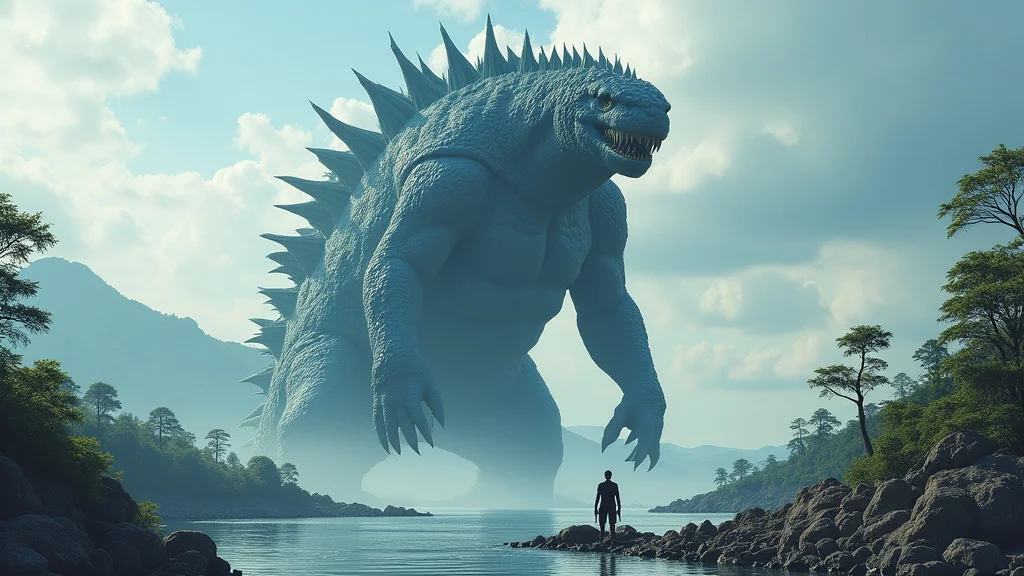
Remember that time you spent hours building a magnificent castle out of LEGOs, only to have a younger sibling demolish it in seconds? The feeling of creation, followed by the inevitable chaos, is something we all know. This post explores the exciting, often chaotic, world of crafting kaiju paradise. We’ll explore the design, challenges, and fun of building habitats for these magnificent creatures. You’ll gain valuable insights and practical tips to build your very own monstrous worlds and bring your imagination to life. This will improve your skills and passion for the subject matter while keeping you entertained!
Key Takeaways
- Learn the essential elements needed to design a believable kaiju habitat.
- Discover the best practices for managing kaiju populations and resources.
- Explore different biomes and their suitability for specific kaiju species.
- Understand the importance of security and defense in a kaiju paradise.
- Get tips on the tools needed to manage your creatures effectively.
- Find out how to ensure the overall health and safety of your giant monsters.
Designing a Thriving Kaiju Environment
Creating an ideal environment for giant monsters is a challenging task that requires careful thought. You need to consider many things, such as the type of monster, its habitat, and its needs. A properly designed environment isn’t just a place to live; it’s a place where your kaiju can thrive. Thinking about the creatures’ well-being makes it enjoyable for everyone. The initial stages include mapping the land, assessing resources, and building the fundamental structures.
Habitat Considerations for Kaiju Creatures
The habitat is more than just a place to live. It is a carefully planned area that mimics the natural environment where the creatures feel most comfortable. Thinking about the features that cater to the creatures’ behaviors and needs is vital for their well-being. This will mean different things for different kaiju, so get creative! Consider the terrain, water sources, and vegetation needed to support a thriving ecosystem.
- Terrain: The type of terrain determines how your kaiju can move, hunt, and interact. Rugged, rocky landscapes might suit a land-dwelling titan, while a watery environment suits a leviathan. Some kaiju might prefer vast open plains, while others thrive in dense forests.
- Water Sources: Water is vital for all life, even colossal creatures. Design water sources to accommodate the size and needs of your kaiju. These may include expansive lakes, rushing rivers, or even volcanic pools.
- Vegetation: Plants provide food, shelter, and a natural aesthetic for your kaiju. Plan the right types of trees, shrubs, and plants that a specific kaiju will use. The landscape should suit the size and diet of your kaiju.
Kaiju habitat design must respect the biome. A tropical paradise needs plenty of humidity, lush plants, and warm temperatures, whereas a tundra demands freezing temperatures and icy environments. Matching the terrain to the kaiju’s needs can enhance the habitat.
Proper water source management includes water quality assessment. Contamination can be a hazard, so ensure water is safe and sustainable. Include natural filtration systems and water features that align with your creature’s needs.
Vegetation selection requires careful assessment. Some plants may be poisonous, so select safe and nutritious food. The layout should also provide a good balance of open space and cover for protection.
Resource Management in a Kaiju Paradise
Sustaining a crafting kaiju paradise requires careful resource management. Kaiju, being colossal creatures, have significant resource needs. Monitoring and balancing these needs is key to the stability of the environment. Effective management protects the creatures and avoids ecological collapse.
- Food Production: Kaiju need lots of food. Decide on how they get their meals. Will they hunt in the wild, or will you have farms or other food sources? Ensure sustainable food production, whether it’s vast fields or a dedicated ecosystem.
- Waste Disposal: Kaiju produce a huge amount of waste, so a good system is vital. Proper waste management helps maintain a healthy environment. Composting, filtration, and recycling are all vital.
- Energy Sources: Energy is critical for maintaining structures, controlling the environment, and running facilities. Evaluate power generation based on sustainability and effectiveness.
The food supply should also be consistent. Any interruptions to the food supply could lead to starvation, aggression, or even escape. Diversify food sources to reduce the impacts of a sudden failure of one source. Also, consider the specific dietary needs of the different kaiju.
Design a system that minimizes pollution. Waste treatment plants, natural filtration systems, or biodigesters may be useful. Choose methods that will not pose a hazard to your kaiju or other creatures living in the environment.
The best options are renewable energy sources. Solar, wind, and geothermal power can be excellent choices. Make sure the energy infrastructure doesn’t disrupt the kaiju habitats, and is located in a place that is safe.
Population Control and Kaiju Behavior
Managing the kaiju population is essential for a balanced environment. Too many creatures can lead to overgrazing or territorial conflicts. Careful consideration is needed to ensure the creatures’ needs are met without overcrowding. This involves strategies for monitoring, controlling, and influencing kaiju behavior.
- Population Monitoring: Regular monitoring allows you to track population growth, health, and behavior. Using advanced technology like drones and sensors will help monitor the kaiju.
- Behavioral Studies: Observing and studying kaiju behaviors, such as mating patterns, hunting habits, and social dynamics will inform management decisions. It can also assist you in solving any conflicts between kaiju.
- Behavioral Modification: If necessary, you can use behavioral modification techniques, such as positive reinforcement or habitat design, to guide kaiju behaviors. This will minimize conflict and improve the overall environment.
Combine technology with traditional methods, like field observations and expert analysis. Regularly evaluate population data and quickly address any issues.
Conduct these observations ethically. Ensure minimum interference in the natural behavior of the kaiju. Use non-invasive study methods, like remote cameras and acoustic analysis. This will make your studies better and safer.
Always prioritize the well-being of the kaiju. Develop modification programs that respect their natural instincts. Seek expert assistance when trying to change the creatures’ behavior.
Building Security and Defense in Your World
Your crafting kaiju paradise must be secure. Defenses will protect the creatures within the habitat and the people who are in charge. Security is important for safety, so you should be prepared for potential threats. A secure paradise provides peace and safety for both kaiju and humans.
Establishing Perimeter Security
A strong defense starts with the perimeter. The boundaries of the paradise protect from outside threats. You must develop security systems that are reliable and practical.
- Physical Barriers: These include strong fences, walls, or natural barriers. They must be strong enough to withstand the size and strength of your kaiju.
- Surveillance Systems: These are cameras, sensors, and patrols that monitor the perimeter. Surveillance systems provide early warning of potential threats. They offer eyes and ears around your environment.
- Early Warning Systems: These are warning systems designed to detect and alert you to potential breaches or attacks. They involve different technologies to prepare the security teams.
These barriers must be regularly inspected for damage. Materials such as reinforced concrete or specialized alloys can ensure strength. Think about using natural formations, like cliffs or canyons, as part of your barriers.
Consider a multi-layered approach to surveillance. Include visual cameras, infrared sensors, and ground sensors. Integrate these systems with a central control center for real-time monitoring and fast response.
Early warning systems can include seismic detectors, pressure sensors, and acoustic monitoring systems. Integrate these systems with the surveillance for complete coverage. Ensure the response procedures are clear for all security personnel.
Defensive Structures and Capabilities
Beyond perimeter security, your paradise needs defensive structures. These are strategic installations for protecting the kaiju environment. Buildings and equipment are set up to handle potential risks.
- Guard Posts and Patrol Routes: Strategically placed guard posts help you keep a close watch on key points. Patrol routes help guards spot and respond to threats quickly. These systems provide constant surveillance and control.
- Defensive Weaponry and Systems: Establish defensive weaponry to neutralize intruders. Defensive systems give you the ability to defend the environment against attacks. The choice of weaponry depends on the nature of the kaiju and threats you face.
- Emergency Response Teams and Protocols: Well-trained emergency response teams are vital. Having well-defined protocols is key to effective defense during a crisis. Prepare the response teams.
Ensure that these areas are positioned for optimal visibility. Design patrols for regular checks and rapid response times. Keep communication systems functional to ensure continuous contact.
Prioritize non-lethal methods such as deterrents, sonic weapons, or containment devices. Develop plans for dealing with multiple threats or large-scale attacks. Ensure weapon systems are handled and maintained correctly.
The response teams require extensive training in crisis management, and weapons handling. Develop easy procedures for various scenarios. Perform exercises to ensure the teams are prepared.
Containment Strategies and Protocols
In crafting kaiju paradise, containment is important for managing kaiju. You must have systems to prevent escape and handle any containment breaches. These strategies are essential to ensure the safety of both the environment and the creatures.
- Containment Fields and Zones: Containment fields are the immediate areas where kaiju reside. Containment zones provide additional layers of control. These zones include features to restrict movements and create safer zones.
- Escape Prevention Measures: You need preventative measures to prevent kaiju from breaking out. These systems include multiple barriers, monitoring systems, and environmental controls. Plan strategies to anticipate and prevent escape attempts.
- Breach Response Protocols: Develop detailed protocols to handle a containment breach. These protocols must be clear, easy to follow, and tested regularly. The key is to reduce risks.
Design containment fields to complement the kaiju’s environment. Create natural barriers, reinforced enclosures, and monitoring systems. Establish containment zones around areas such as feeding grounds or critical infrastructure.
Regularly inspect and maintain all containment structures. Utilize sensors and surveillance systems to detect potential escape attempts early on. Include a strategy of active countermeasures to quickly secure any breach.
Establish a chain of command and define the responsibilities of all personnel. Conduct regular drills and simulations. Have a communication system that works to coordinate the response.
Selecting Biomes for Your Kaiju Species
The biome is the essential environment for your kaiju species to thrive. Matching your kaiju with the right biome is important for their health. Thinking about the features of your biomes, such as climate, vegetation, and terrain, is key. This careful approach can make an ideal environment.
Types of Biomes and Their Suitability
Biomes come in different forms. Each type provides a unique environment with specific characteristics. Matching the right biome with the right kaiju is important for their health and well-being. Thinking about the climate, terrain, and resources of each biome is key.
- Temperate Forests: These have four seasons, diverse plant life, and rich soil. It is a stable environment that can support varied creatures.
- Tropical Rainforests: These are warm and humid with lush vegetation. They support a high amount of biodiversity. They provide steady conditions and many resources.
- Deserts: These are dry and arid environments with extreme temperatures. Life in a desert is very resilient. Many desert species have adapted to the climate.
It is suitable for medium to large kaiju. Consider creatures that need varied foods and seasonal changes. Include varied terrain with dense forests, open meadows, and flowing rivers.
These areas are ideal for species that require constant warmth and abundant food. Consider kaiju that have arboreal habits and need cover. The key is to keep a good balance of vegetation and moisture.
It is suitable for kaiju that can handle extreme heat and water scarcity. Think about kaiju that have burrowing behaviors and the ability to travel long distances. Plan water sources and shelter for these creatures.
Matching Kaiju to Their Ideal Environments
Pairing your kaiju with a suitable biome is a vital step in their care. The right environment enables the kaiju to thrive. Consider their physical characteristics, their behaviors, and their needs when deciding on a home.
- Analyzing Kaiju Characteristics: Understanding your kaiju’s size, dietary needs, and physical adaptations is important. Determine the specific habitat needs to determine the biome that matches best.
- Considering Behavior and Lifestyle: The kaiju’s behavior will guide the biome selection. Determine the kaiju’s daily activities, social structure, and methods of hunting.
- Creating Mixed Habitats and Zones: Sometimes, mixing biomes or forming zones is useful. This enables your kaiju to have a range of environments to select from, while providing enrichment and supporting different needs.
Assess their preferred temperature ranges, humidity levels, and terrain requirements. Use this data to help determine the best biome. Assess the requirements based on their behavior, movement, and survival.
Choose an environment that offers the correct resources and space to carry out their natural behaviors. Think about the need for social structures, communication, and movement.
Plan transitions to offer variety in environments. Create zones that are designed to meet individual species’ needs. Ensure that all the biomes are well-managed for their creatures.
Adapting Environments to Promote Wellbeing
Once you match the kaiju to their environment, you can adapt the habitat to improve well-being. This will lead to an improvement in the health and vitality of your creatures. Adaptation requires continuous observation and proactive adjustments.
- Climate Control and Environmental Enrichment: Environmental enrichment includes methods that enable your kaiju to engage in natural behaviors. Consider adding structures to improve their health.
- Dietary Supplementation and Nutritional Support: Even if your kaiju are eating in a matched biome, you may need supplementation. You can make adjustments to ensure your creatures are properly nourished.
- Health Monitoring and Early Intervention: Health monitoring helps you identify any health problems early. Monitoring helps in early intervention to ensure that your kaiju are in good health.
Use climate control systems to match the needs of your kaiju. Introduce enrichment activities like puzzles, foraging areas, or social opportunities. This helps your creatures thrive and have better mental health.
Use nutritional analysis to determine any gaps in their diet. Supplement with vitamins, minerals, or other nutrients. Adjust the diet to adjust for growth, health, and activity levels.
Set up regular health evaluations and observation programs. React immediately to any signs of illness or stress. Work with experts to address health concerns.
Tools and Technology for Kaiju Paradise Management
Maintaining a thriving crafting kaiju paradise requires you to be familiar with the technologies. Modern tools assist in monitoring, control, and ensure the well-being of the creatures. These technologies help you in monitoring the behavior, health, and needs of your kaiju.
Monitoring and Surveillance Technologies
Monitoring is important in any facility. Surveillance systems provide real-time information and data to ensure the kaiju environment is safe. These tools enable complete monitoring and efficient management. Consider the equipment to get the best outcomes.
- Remote Sensing and Drone Technology: Drones give aerial views for detailed assessment. Remote sensors capture information regarding habitat conditions, climate, and population.
- Biometric Tracking and Health Monitoring Devices: Biometric tracking includes using tools like microchips, wearable sensors, and GPS to track the kaiju. Health monitoring uses advanced techniques to evaluate health metrics.
- Data Analytics and Information Systems: Data analysis and information systems are key. These tools gather and interpret data. Then, they provide insights that help in decision-making.
Drones can do tasks such as inspections, monitoring, and data collection. Use sensors to collect data such as temperature, humidity, and air quality. Use advanced imaging to track movements, behaviors, and environmental changes.
Use biometric tracking to monitor the kaiju’s location, activity levels, and social interactions. Use sensors for health monitoring, such as heart rate, respiration, and body temperature. Set up alert systems and data analysis software to give real-time insights.
Collect data from monitoring, surveillance, and health assessments. Use the data to reveal patterns, trends, and connections to improve your decision-making. Make the system simple and easy to interpret.
Environmental Control and Automation Systems
Environmental control and automation help to maintain the ideal conditions. This equipment ensures the safety, comfort, and sustainability of your kaiju. These automation systems assist you in environmental control.
- Climate Control Systems and Automation: Climate control systems help regulate temperature, humidity, and airflow. Automation helps maintain the climate with less manual work.
- Water Management and Filtration Systems: Water systems are key for kaiju habitats. Automation helps with filtering and distributing water to your kaiju. The right system offers efficient management.
- Feeding Systems and Automated Resource Allocation: Automated feeding systems deliver food and resources at the right times and locations. Resource allocation can be done with a system.
Choose an automated system based on your needs. Integrate heating, cooling, and ventilation to create the required climate. Install smart sensors, timers, and digital interfaces for system management.
Use a filtration system that can remove impurities. Ensure that the kaiju always have access to fresh water. Also, you can automate irrigation systems to assist in managing water distribution and minimizing waste.
Install automated feeders to deliver the right amounts of food. Develop systems for allocating resources, like water and shelter, based on the needs of the kaiju. Utilize smart sensors to monitor resource consumption and help prevent shortages.
Communication and Management Platforms
Communication and management platforms assist with collaboration, data management, and operational efficiency. These communication tools help in a seamless information flow between various teams. These tools make sure things run smoothly.
- Centralized Command and Control Centers: A command center is the central point for managing data, surveillance, and response. It provides the team with a clear view of the operations.
- Communication Systems and Emergency Protocols: Effective communication is key for safety. Create systems that provide prompt and dependable communication. These systems are especially key during an emergency.
- Data Management and Reporting Tools: Data management systems help you organize and analyze data. Reporting tools help in presenting information efficiently.
Equip the control center with displays, computer systems, and communication equipment. Install a secure network to link all essential information streams, like cameras and sensor data. The command center should have a clear chain of command.
Set up a reliable communication system such as radios, phones, and digital platforms. Include emergency protocols, and ensure that they are understood by all team members. Practice communication procedures for emergencies.
Set up a database that tracks animal health, behavior, and environmental conditions. Use the data for analyzing trends and identifying areas for improvement. Create reports for management and keep everyone informed about the status of the environment.
Common Myths Debunked
Myth 1: Kaiju Are Simply Rampaging Beasts That Cannot Be Managed.
In reality, with proper planning, training, and resources, these creatures can be managed effectively. They have complex behaviors, social structures, and needs, and can be understood and handled. Using careful observation, data, and skilled care leads to better results.
Myth 2: Security Measures Should Focus Only on Physical Barriers.
While physical barriers are necessary, a multi-layered approach is the best choice. This includes surveillance, environmental controls, and data analytics. A complete approach helps to protect against all threats.
Myth 3: Maintaining a Kaiju Paradise Is Too Expensive and Not Sustainable.
With careful planning and resource management, you can keep the costs down. Using renewable energy sources, waste recycling, and locally sourced materials are all cost-effective approaches. The right methods ensure both sustainability and cost effectiveness.
Myth 4: Kaiju Need Only Food, Shelter, and Water to Thrive.
The kaiju require a holistic approach to care. This means a rich environment that includes behavioral enrichment, climate control, and health monitoring. It requires creating the best circumstances for their well-being.
Myth 5: All Kaiju Species Can Live Together Peacefully in a Single Habitat.
The truth is that mixing species is extremely difficult. The design must match the behavior, needs, and compatibility of each species. Careful consideration and individual care are needed.
Frequently Asked Questions
Question: What do I need to start a kaiju paradise?
Answer: You’ll need land, resources, strong security measures, a plan for resource management, a good understanding of your kaiju, and a team of dedicated professionals.
Question: How do I choose the right kaiju for my paradise?
Answer: Think about the climate, biome, terrain, and resource availability of your environment. Then, pair the kaiju with environments that match their specific requirements, behaviors, and compatibility.
Question: How can I ensure the safety of my staff and the public?
Answer: Develop multi-layered security protocols. These include physical barriers, comprehensive surveillance, early warning systems, and well-trained emergency response teams.
Question: How much space is needed for a kaiju paradise?
Answer: The space required depends on the species you are trying to house, but the larger the better. Generally, larger kaiju need a vast habitat with adequate resources to support them.
Question: Is it possible to have a sustainable kaiju paradise?
Answer: Yes, by using renewable energy, implementing resource recycling, and making sustainable practices, you can have a thriving and long-lasting environment for your kaiju.
Final Thoughts
Creating a crafting kaiju paradise is a challenging but very rewarding experience. It’s about more than just building; it’s about understanding the needs of these unique creatures, designing suitable habitats, and building a world where they can thrive. By focusing on detailed planning, robust security, and mindful resource management, you’ll be well on your way to creating a successful sanctuary. Always keep learning, adapt to changes, and never stop exploring the endless opportunities that await. Take what you learned here, blend it with your imagination, and bring your vision to life. The possibilities are massive, and the world is waiting for your creativity.
Leave a Reply