Last updated: November 05, 2026
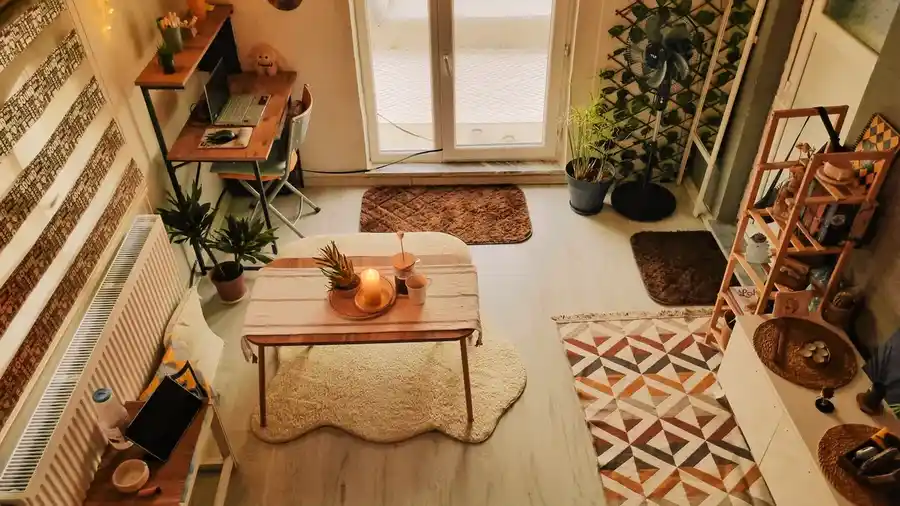
Quick Answer: The best home decor crafts for small spaces usually fall into two categories, and the highest-payoff projects are the ones that add storage, soften hard surfaces, or create a focal point without eating floor area. Small-space decor should earn its footprint. For Home Decor Crafts for Small Spaces — The Complete Guide, the right project is usually the one that changes how a room functions, not just how it photographs. If a project needs a wide workbench, bulky tools, or permanent wall damage, it is usually the wrong craft for a small room.
I write about interiors with a practical eye: the right project here is the one that changes how a room functions, not just how it photographs.
Key takeaways
- Choose crafts that work vertically, in corners, or on the back of a door; those are the three places small rooms usually have left.
- Favor lightweight materials such as canvas, plywood, cork, pegboard, felt, and paper cord.
- Skip projects that add visual clutter at eye level unless they also solve a storage problem.
- Adhesive hooks, removable picture strips, and tension hardware matter more in rentals than pretty finishes.
- A good small-space craft should be finished in a few hours, easy to remove, and useful every day.
What makes a decor craft work in a small room?
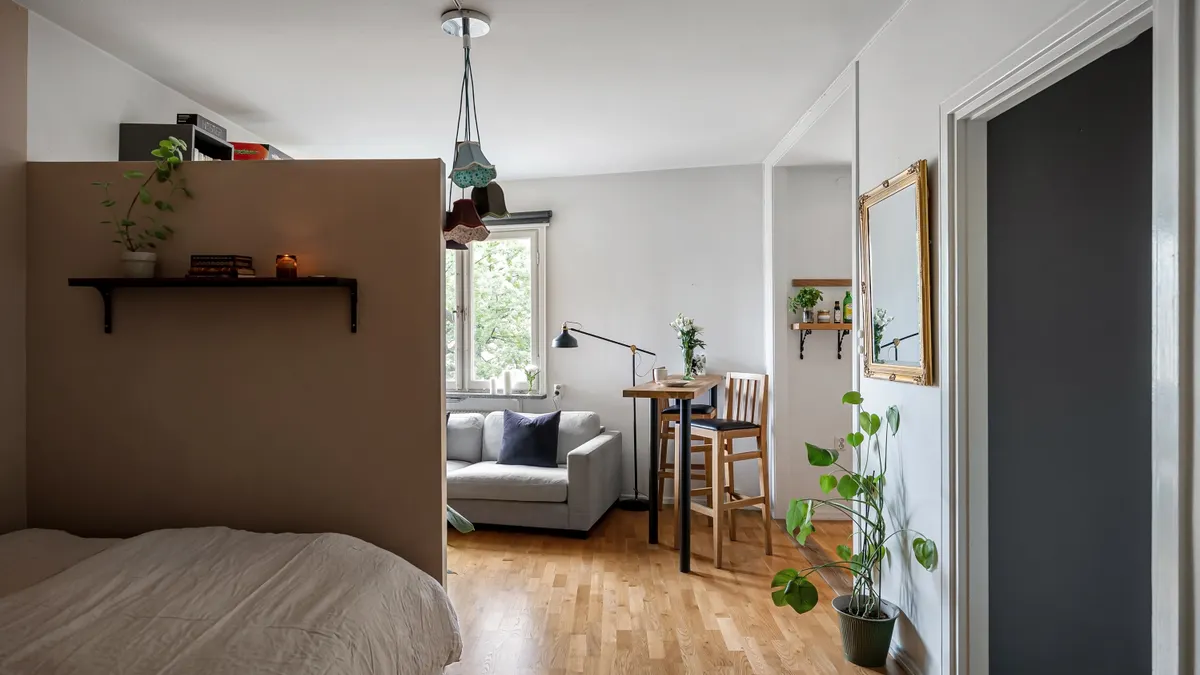
A good small-room craft does one job very well: it either stores, hides, or visually enlarges. That rule matters more than the style itself. A tiny apartment can handle a framed print or a hanging planter; it cannot handle five separate “accent” projects competing for the same wall.
The first filter is scale. A craft should stay shallow — think 2 to 6 inches of depth for wall-mounted pieces, or something that folds flat when not in use. A macramé wall hanging that extends 10 inches from the wall may be pretty, but it is not friendly to a narrow hallway. The second filter is weight. Lightweight boards, fabric, paper, and thin metal are easier to hang safely with removable hardware than heavy resin or thick glass. The third filter is usefulness. In a small room, decoration that also holds keys, mail, remotes, toiletries, or mugs tends to survive longer because it pays rent.
This is where generic advice usually goes wrong. It treats “small space” as a style instead of a constraint, and reputable housing and design guidance generally frames it that way too; if a room’s layout, wall type, or ventilation is unclear, consult a professional or follow manufacturer guidance before mounting anything. A craft that looks airy on social media can still crowd a shelf, make dusting miserable, or block a window. The better approach is to decide what the room lacks: vertical storage, privacy, warmth, or one strong focal point. Then pick a project that fills that exact gap.
For renters, the biggest win is reversibility. Removable strips, over-the-door hooks, tension rods, and command-style hardware keep the craft from becoming a landlord problem. For owners, more permanent options like a slim peg rail or a custom shelf ledge can make sense, but only if they solve a real storage issue.
If you want a single rule to keep in mind, make it this: in a small space, every decorative object should either disappear visually or earn its keep. A craft that does neither is just clutter with a handmade label.
Which craft type gives the most payoff in the least space?
Wall storage usually gives the most payoff for most small rooms because it frees the floor, keeps essentials visible, and can be built in a single afternoon. That often makes it the default choice for studios, bedrooms with limited closet space, and entryways with no console table, though it is not the right answer for every room.
The strongest examples are pegboards, slim floating ledges, wall grids, and hanging pocket organizers. A standard pegboard panel can hold baskets, hooks, and small shelves in the space of one picture frame. A narrow ledge, often only 3 to 4 inches deep, can display framed art without swallowing the room. A wall grid in metal or wire can hold notes, clips, and lightweight decor while staying visually open. Fabric pocket organizers work well on the back of a door or inside a closet, where they use dead space instead of visible wall space.
The trade-off is that wall storage looks tidy only when edited. If every hook is full, the wall starts to read as utility space rather than decor. That is fine in a workshop or mudroom. It is not fine if you want a calm living room. Wall storage also asks for discipline: it works when the items are uniform or intentionally chosen. Random objects make it look messy fast.
For someone living in 200 to 500 square feet, wall storage is usually the smartest first project because it buys back the most usable area. For someone who already has enough storage but needs softness, this may not be the right category. In that case, textile crafts or lighting changes will do more.
A simple decision test helps: if the item you want to display or store is smaller than a shoebox and used weekly, wall storage is probably the right move. If it is decorative only, look for a lower-profile craft.
How do I add warmth without making the room feel crowded?
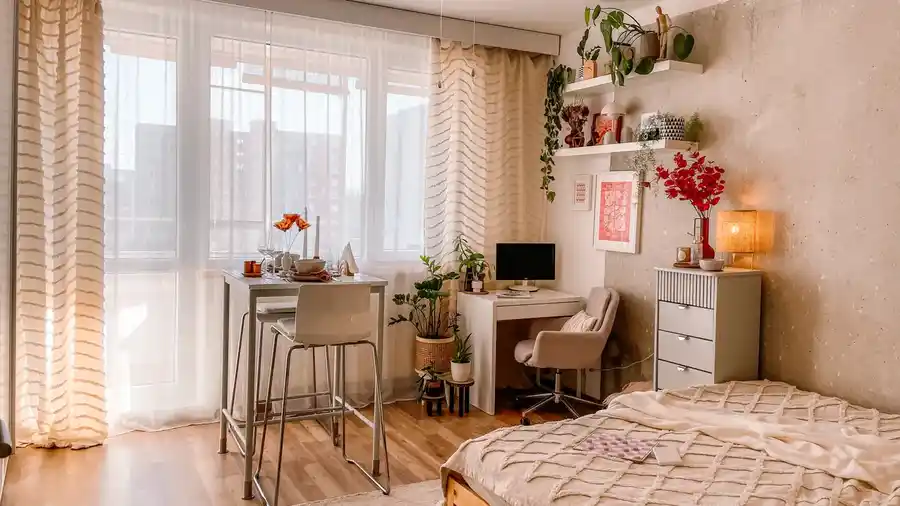
Textile crafts add warmth best when they stay flat, narrow, or vertical. That makes them ideal for bedrooms, reading corners, and rental walls that need softness without bulk.
A woven wall hanging, a no-sew pillow cover, a fabric-covered bulletin board, or a DIY Roman shade can change the feel of a small room without consuming much physical space. These projects work because fabric absorbs visual noise. Hard corners soften. Bare walls look less stark. Echo in a small room can also feel calmer when textiles are present, especially if the space has a lot of glass, tile, or painted drywall.
The strongest textile craft for a tiny room is usually one that replaces something you already have. A fabric headboard panel can stand in for a bulky upholstered bed frame. A covered cork board can replace a plastic memo board. A simple curtain panel hung close to the ceiling can make a low room feel taller if it reaches the floor and uses a rod mounted several inches above the window frame.
The downside is maintenance. Fabric collects dust, and light colors show it sooner. If the room has a kitchen nearby, textile projects can also pick up odors. Another drawback is that some textile decor can look flimsy if the pattern is too busy or the scale is wrong. A busy weave in a 10-by-10-foot room can feel like noise rather than warmth.
This category is not ideal for someone who wants storage first. Textile crafts decorate; they usually do not solve clutter by themselves. They are best for the person who already has enough cabinets and just needs the room to feel finished.
A practical guideline: keep large textile pieces simple, then let one detail do the work — a stripe, a natural fiber, a stitched edge, or a bold border. In a small room, restraint usually looks more expensive than abundance.
The honest side-by-side: wall storage vs. textile decor
Wall storage wins for function; textile decor wins for atmosphere. If the room is short on place to put things, choose wall storage. If the room already functions but feels cold, choose textile decor.
| Criteria | Wall storage crafts | Textile decor crafts | Winner for this condition |
|---|---|---|---|
| Floor space saved | Usually strong; moves items off tables and shelves | Minimal; mainly decorative | Wall storage when floor area is tight |
| Visual lightness | Can look busy if overloaded | Often softer and calmer | Textile decor for a room that feels stark |
| Rental friendliness | Good with removable hardware, especially strips and tension mounts | Very good; many pieces hang from simple rods or hooks | Textile decor for no-drill walls |
| Daily usefulness | High for keys, mail, grooming items, and small tools | Low to moderate unless the textile replaces a curtain or board | Wall storage for daily clutter |
| Dust and upkeep | Easy to wipe if the finish is sealed | Needs regular dusting or washing | Wall storage for low-maintenance homes |
| Ability to hide clutter | Moderate; baskets and boxes help | Poor on its own | Wall storage when you need order |
| Best room types | Entryways, kitchens, studios, tiny offices | Bedrooms, reading nooks, living rooms | Depends on the room’s main problem |
| Risk of looking cramped | Higher if too many small objects are displayed | Lower if the palette stays quiet | Textile decor for already-busy rooms |
| Effort to finish | Medium; often requires measuring and mounting | Low to medium; can be simpler to hang | Textile decor for quick improvement |
The table tells the real story: wall storage is the better craft when the room is trying to do too many jobs in too little space. Textile decor is better when the room already works but needs a softer face. That split matters more than style preference.
A generic guide would pretend these are interchangeable. They are not. A pegboard in a bedroom may feel industrial. A woven hanging in an entryway may not solve the pile of bags by the door. Match the category to the problem, not to the trend.
What are the best small-space projects if I live in a rental?
If you live in a rental, reversible crafts are usually the best choice because they avoid wall damage and still change the room in a visible way.
Three reliable options stand out. First, an adhesive hook system can create a mini drop zone for keys, bags, or jewelry. Look for hardware rated for the item’s weight, and check whether the listing specifies painted drywall only or also tile, glass, and wood. Second, a tension rod can hold light curtains, hanging organizers, or a faux headboard panel without drilling. Third, a lightweight gallery ledge or picture rail mounted with minimal hardware can display prints in a way that can be changed later without patching a dozen holes.
The most useful rental craft is often a combination craft: a slim wall organizer that doubles as decor. A felt-covered pin board with a wood frame, for example, can hold notes and still read as finished decor. A narrow basket rail under a shelf can catch mail without claiming table space. These pieces are better than purely decorative projects because they create order where renters usually need it most.
The drawback is that “damage-free” claims need to be read carefully. Not every removable adhesive works on textured paint, humidity, or freshly painted surfaces. Tension hardware can slip if it is overloaded or installed on a bad fit. That means the craft may need more frequent adjustment than a drilled fixture would. If the room changes constantly, that is part of the deal.
This category is not for someone who wants a permanently mounted, heirloom-quality result. Renters should aim for light, adaptable pieces that can move with the next apartment. For a short-term lease, that is the smart trade.
A useful benchmark: if a project needs more than a few screw holes to work, it is probably too committed for a rental unless the lease and wall type clearly allow it.
Which small craft gives the biggest visual change for the least money and effort?
A framed or stretched fabric panel usually gives the biggest visual change for the least effort because it covers a lot of wall area with one lightweight object.
This is the smallest-room version of a headboard, art piece, or textile accent. One panel can create a focal point in a bedroom, soften a desk corner, or hide an awkward patch of wall. If the fabric has a large-scale print, the room often feels more intentional immediately. If the fabric is solid linen, canvas, or neutral cotton, the result is quieter and easier to live with.
The appeal is practical, not just aesthetic. Fabric panels are light. They can be changed seasonally. They do not take floor space. They also let a renter work with color in a reversible way instead of repainting an entire room. Compared with a hand-built shelf or cabinet, the materials are often simpler: fabric, backing board, staple gun or clips, and a frame or stretcher bar.
The weakness is that this kind of project can look unfinished if the edges are sloppy. A loose panel with uneven folds reads as temporary. In a small space, temporary can look like clutter. It also does almost nothing for storage, so it should not be the only project in a room that lacks places to put things.
This is the right craft for someone who wants one strong design move without committing to a large furniture piece. It is not the right craft for someone whose room is already visually busy or who needs hidden storage more than a focal point.
If the room has one blank wall and not much else, a fabric panel is hard to beat. If the room has several competing colors and objects, the same panel may not help enough.
What should I avoid in a tiny room?
Avoid high-bulk, high-count, and high-gloss projects that reflect clutter back into the room.
High-bulk means anything thick, heavy, or protruding far from the wall. Large shadow boxes, deep frames, chunky shelves, and oversized faux plants can all fail this test. High-count means too many small objects: five candles, four mini prints, three jars, and a basket of trinkets often make a tiny room feel crowded even when each item is attractive on its own. High-gloss means reflective surfaces that bounce light in a way that can make a room feel busier, especially if the room already has mirrors, polished metal, or glossy paint.
The other thing to avoid is crafts that need constant grooming. Small rooms show dust, misalignment, and sagging faster than larger rooms do. If a project must be fluffed, straightened, and re-taped every week, it is asking for more attention than most people will give it. That kind of project turns decor into a chore.
Another mistake is using decorative sets built for large homes. A five-piece wall cluster that spans 8 feet may make sense above a sofa in a big room. In a 9-foot-wide studio wall, it can overwhelm everything else. Scale is not an aesthetic afterthought; it is the entire decision.
A simple rule helps here: if the piece has no function and cannot disappear visually when the room gets messy, skip it. Small spaces are less forgiving than large ones. The room should have room to breathe before it has room to impress.
For the reader who wants the cleanest possible result, fewer, larger, quieter pieces usually beat many small ones. That is the opposite of what a craft store endcap suggests, but it is the truth of compact interiors.
When does a craft stop being the right answer?
A craft stops being the right answer when the room needs furniture, not decoration.
If the room has no closet, no bedside surface, no place for laundry, or no legal way to mount anything, then decor alone will not fix it. A small room with missing essentials needs a storage plan first. That may mean under-bed bins, a narrow dresser, modular shelving, or a better desk setup. A handmade project can support that plan, but it cannot replace it.
This is especially true in rooms under heavy daily use. A compact bedroom shared with a work area, for example, often needs cord management, closed storage, and a clear sight line. In that case, a pretty wall hanging is secondary. If the room is a studio that doubles as a kitchen, washable surfaces and closed containers matter more than fragile decor. In a child’s small room, safety and cleanability should outrank visual delicacy.
The clearest sign that a craft is the wrong solution is when it adds visual interest but does not reduce friction. If the problem is shoes by the door, make a shoe home. If the problem is bathroom clutter, make a caddy or wall cabinet. If the problem is a dead corner, use a corner shelf or plant stand with a footprint measured in inches, not a decorative object that just sits there.
That does not mean small-space crafts are useless. It means they work best as the final layer after the room’s basic jobs are covered. The craft should make the room feel intentional, not carry the entire burden of making the room livable.
If the answer to “What does this fix?” is “Not much,” it is probably the wrong project.
The verdict: which craft should you choose first?
Choose wall storage crafts if your room is short on surfaces, closets, or drop zones and you need the most functional payoff from one project. Choose textile decor crafts if your room already works but feels hard, bare, or impersonal. Neither if the room mainly needs furniture, better storage, or a landlord-approved repair plan.
That is the cleanest call. For most small spaces, wall storage should come first because it changes how the room functions. For rooms that already function, textile decor is the better finishing move because it changes how the room feels without crowding it.
Small-space craft ideas that are actually worth making
A few project types consistently earn their keep in compact rooms because they stay shallow, useful, and easy to edit.
- A pegboard command center for keys, mail, scissors, and chargers
- A fabric-covered pinboard for notes, receipts, and one or two art prints
- A narrow floating ledge for framed photos instead of deep shelving
- A tension-rod curtain panel to hide open storage under a sink or desk
- A back-of-door organizer for shoes, toiletries, or stationery
- A stretched fabric panel to replace a bulky headboard or fill a blank wall
- A small basket wall arrangement for remote controls or bathroom items
These are the projects I would keep at the front of the list because they respect the limits of a compact room. They do not need a large footprint. They can be adapted to rented or owned spaces. They solve a real room problem while still looking intentional.
If you want the simplest path, start with one wall-mounted storage craft and one softening craft. That combination covers the two most common small-room problems: clutter and coldness. One handles function. The other handles atmosphere. Together, they make a small room feel planned instead of cramped.
Sources to check before mounting anything
The best guidance for small-space crafts comes from the hardware, not the mood board.
- The U.S. Consumer Product Safety Commission explains safe wall anchoring and tip-over prevention for furniture and mounted items: https://www.cpsc.gov/Safety-Education/Safety-Guides/Home
- The National Center for Healthy Housing has practical resources on moisture, ventilation, and indoor air quality, which matter when you add fabric, adhesives, or enclosed storage: https://nchh.org/information-and-evidence/healthy-housing-policy/healthy-housing-fact-sheets/
- The American Institute of Architects offers general design guidance that reinforces proportion, light, and circulation in small interiors: https://www.aia.org/
Those pages do not tell you how to make a pretty board. They do help you avoid the bigger mistake: building or hanging something that does not fit the room, the wall, or the way the room is used every day.
Drafted with AI; not yet reviewed by a person.
Leave a Reply