Last updated: November 05, 2026
Key Takeaways
- Seasonal and holiday crafts help make a room, table, gift, or memory feel tied to a specific time of year without buying a pile of one-use decor.
- Paper, felt, wood, and natural materials are practical starting points because they are affordable, forgiving, and easy to match to different holidays.
- Choose the craft by deadline, audience, and display life, not by what looks nicest on a blog photo.
- Paper is usually the quickest, felt is often the most reusable, and natural materials bring the strongest seasonal character.
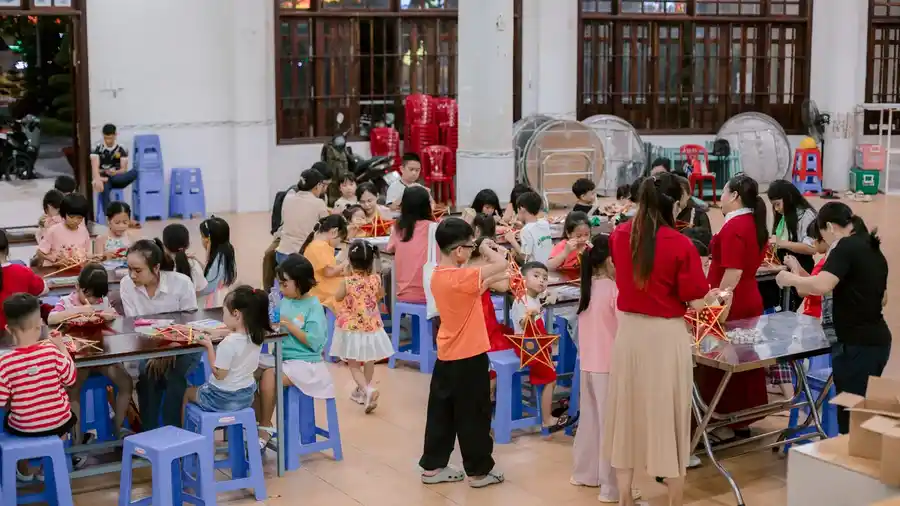
Seasonal and holiday crafts are most useful when they solve one of three problems: keeping kids busy, making a home look intentional on a budget, or giving gifts that feel personal without swallowing a whole weekend. This guide to Seasonal and Holiday Crafts — The Complete Guide covers all three, with a practical focus on materials, planning, safety, and which craft approach fits the time you actually have.
Seasonal crafting is broader than “cute projects.” It includes paper crafts for quick decorations, fabric and felt projects that survive repeated use, natural-material decor for lower waste, and giftable items such as ornaments, wreaths, tags, and centerpieces. The right choice depends on the holiday, the age of the maker, and how long the item needs to last. I also take a clear position: if the craft has to be finished in under an hour, should tolerate mixed skill levels, and should not create a mountain of cleanup, choose paper, felt, or recycled materials first. Resin, kiln-fired clay, and hot-tool projects are wrong for that job.
What seasonal and holiday crafts are actually for
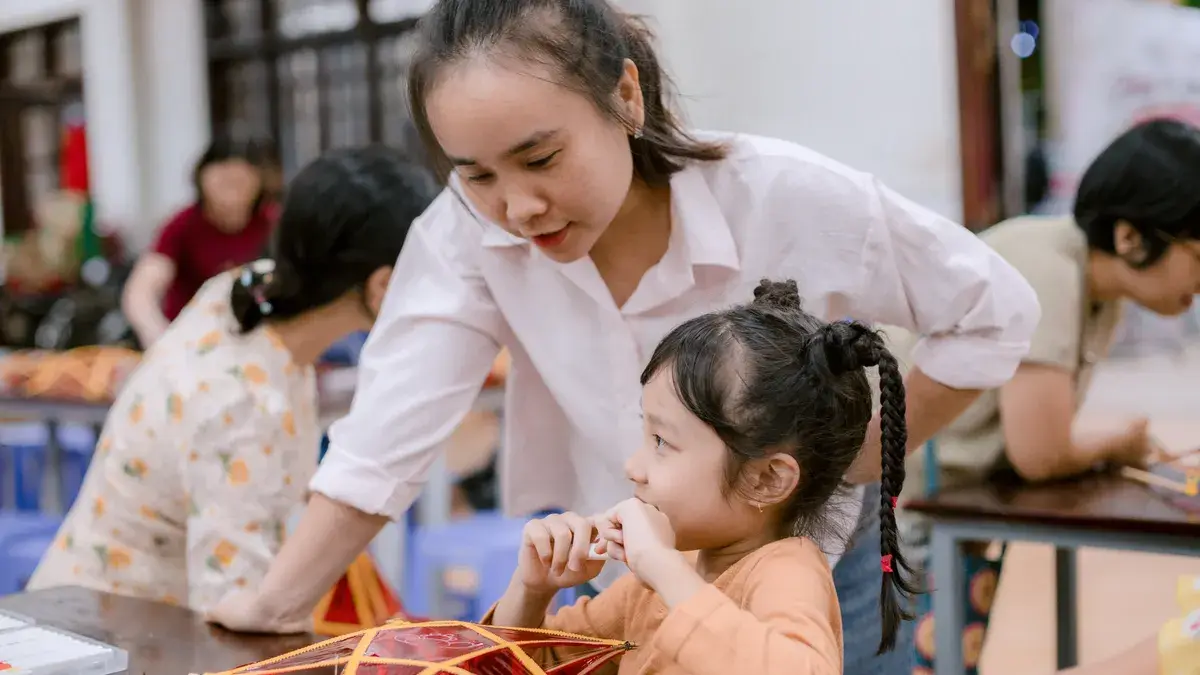
Seasonal and holiday crafts are for making a room, table, gift, or memory feel tied to a specific time of year without buying a pile of one-use decor. The best projects usually do one of four jobs: decorate, organize, gift, or occupy. That sounds obvious, but it is the first decision that keeps a craft session from turning into a messy half-finished pile on the dining table.
A good seasonal craft has a short material list, a clear finish line, and a purpose after it is done. A felt ornament, for example, can go back in a storage bin for 11 months and return next year. A paper garland can be made from cardstock or scrap wrapping paper in under 30 minutes. A mason-jar luminary is only worth making if you already have jars and want a one-night centerpiece.
The main mistake people make is treating all holiday crafts as interchangeable. That is not a diagnosis or medical concern, but it can still cause frustration, so if a project involves child safety, open flame, or small parts, consult an appropriate professional or safety resource before you start. A classroom craft needs low-cost, low-glue, low-risk materials. A mantel piece can use heavier materials and a little more time. A gift craft has to be durable enough to travel. That is why the term of art matters: “useful decor” beats “cute project” every time.
Seasonal crafting also changes with the calendar. Winter crafts often lean on sparkle, lights, evergreens, and indoor display. Spring crafts use flowers, eggs, and lighter colors. Summer favors flags, shells, and outdoor-friendly materials. Fall brings leaves, pumpkins, and harvest textures. The right project respects the season instead of fighting it.
Which materials make the most sense for holiday crafting?
Paper, felt, wood, and natural materials are often the most practical starting points because they are affordable, forgiving, and easy to match to different holidays. That does not mean they are the only materials worth using, but they are the ones that give a high chance of a clean result without special tools.
Paper is often the fastest option. Cardstock, construction paper, tissue paper, and scrapbook paper can become garlands, stars, gift tags, snowflakes, table confetti, and layered cards. Paper is also the easiest material to scale for groups. A 12 x 12-inch scrapbooking sheet can be cut into several ornaments or small decorations, and scissors are usually enough.
Felt is the best all-around reusable craft material. It cuts cleanly, does not fray like woven fabric, and works well with glue or simple stitching. Felt ornaments and stockings handle storage better than paper, and the material is forgiving for beginners. The drawback is obvious: felt can look flat if a design depends on fine detail. It also takes longer than paper, especially if you stitch instead of glue.
Wood works when you want something sturdier and more finished. Thin unfinished wood cutouts, craft sticks, and basswood blanks are common in seasonal projects. Wood accepts paint and stain well, but it also asks for more patience and usually better prep. A project with wood tends to need drying time, which makes it a poorer choice for same-day crafting.
Natural materials include pinecones, twigs, dried citrus, cinnamon sticks, acorns, leaves, and evergreen clippings. They are strong choices for rustic or low-waste decor, but they come with a trade-off: they can shed, bruise, or dry unevenly. Dried citrus slices are beautiful in garlands and wreaths, but they need full drying time and careful storage. Fresh greens look best for a short window; that is a feature, not a flaw, if the decoration is for one event.
For adhesives, the honest rule is simple. Use glue sticks for paper, white craft glue for light assembly, and hot glue only when the project actually needs speed or stronger hold. Hot glue is fast, but it adds burn risk and can make a child-friendly craft inappropriate. A low-temp glue gun is safer than a standard high-temp one, but it is still a tool, not a toy. For safety guidance, the U.S. Consumer Product Safety Commission is a useful reference point, especially for children’s crafting materials and burn hazards: https://www.cpsc.gov
How do I choose the right craft for the holiday?
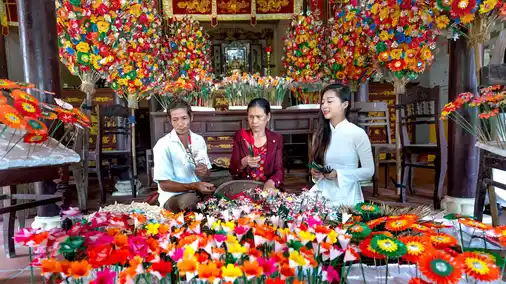
Choose the craft by deadline, audience, and display life, not by what looks nicest on a blog photo. That is the decision that saves the most frustration. A project that takes 90 minutes, needs drying overnight, and uses tiny beads is fine for an adult craft night and wrong for a classroom of eight-year-olds.
If you have less than 30 minutes, stick to paper chains, simple ornaments, gift tags, or painted pinecones. If you have one to two hours, move up to wreaths, layered paper decor, sewn felt pieces, or painted wood cutouts. If you have more than a day, you can add drying time, sealing, embroidery, or multi-part assembly.
Audience matters just as much. Children under 8 usually do best with pre-cut shapes, thick materials, stickers, sponge paint, and large surfaces. Older children and teens can manage tracing, cutting, simple stitching, and more precise decoration. Adult crafters can handle any of that, but they often benefit more from a project that produces a lasting object rather than a disposable one.
Display life is the overlooked variable. A table centerpiece for one dinner can use fresh flowers, candles, and delicate paper. A porch decoration needs weather resistance and secure hanging. A keepsake ornament should survive storage in a box for 12 months without crushing.
The strongest general rule is this: the more public, windy, or long-term the display, the more you should favor sturdier materials and fewer tiny parts. Glitter and loose sequins are fun until they spread across carpet, car seats, and floor vents. A cleaner craft is often a better craft.
For craft materials and household safety, the American Academy of Pediatrics has practical child-safety guidance that is worth reading before handing out scissors, small parts, or strong adhesives: https://www.healthychildren.org
The Honest Side-by-Side: Paper vs. Felt vs. Natural Materials
Paper wins for speed, felt wins for durability, and natural materials win for seasonal character. Each is right in a different situation, and the wrong choice usually shows up in cleanup, storage, or how long the finished piece survives.
| Criteria | Paper | Felt | Winner for [condition] |
|---|---|---|---|
| Setup time | Minimal; scissors, glue, and a flat surface are enough | Moderate; tracing, cutting, and sometimes stitching take longer | Paper for same-day crafts |
| Durability | Low to medium; best for short-term display | Medium to high; good for yearly reuse | Felt for keepsakes |
| Child-friendliness | Very high with pre-cut shapes | High, but scissors and needles change the risk level | Paper for younger kids |
| Storage | Flattens easily in a folder or box | Stores well without crushing if kept dry | Felt for ornaments and soft decor |
| Visual texture | Clean, bright, and graphic | Soft, handmade, and warmer-looking | Felt for cozy holiday decor |
| Waste level | Can be low if using scrap paper, but offcuts are common | Low if patterns are planned well | Felt for repeat use |
| Weather tolerance | Poor outdoors | Better indoors; still not weatherproof | Neither for outdoor exposure |
| Cost control | Very easy if using leftover cardstock or wrapping paper | Moderate; yardage and small cuts can add up | Paper for large group projects |
| Skill ceiling | Simple projects stay simple | Can look polished with embroidery or layering | Felt for giftable items |
| Cleanup | Fast; mostly paper scraps | Moderate; lint and thread bits if sewing | Paper for low-mess sessions |
Paper is a strong choice when the project has to be fast, cheap, or made with a group. It loses when the item must last more than a season or when the craft is meant to become a family keepsake. Felt is the better middle ground for reusable decor because it can look finished without requiring a machine. The catch is time: a felt project asks for more cutting accuracy and more patience.
Natural materials sit outside the paper-versus-felt debate because they are chosen for feel, smell, and texture. A wreath made from dried oranges, cinnamon sticks, and twine reads as seasonal in a way neither paper nor felt can fully copy. The weakness is maintenance. Natural pieces can crumble, fade, or attract pests if stored badly. They are best for one season, not ten.
For readers who want one recommendation rather than a menu: start with paper for group events, felt for keepsakes, and natural materials for short-lived decor with strong visual personality.
What projects are worth making for each season?
The best seasonal projects are the ones that fit the weather, the light, and the objects already associated with that time of year. That makes them feel intentional instead of generic. A snowflake made in July is still a craft, but it does not solve the same problem as a lantern for December or a flower wreath for April.
Winter is the strongest season for indoor crafts. Paper snowflakes, felt ornaments, salt dough keepsakes, garlands, and candle-safe centerpieces all fit well. Winter also rewards projects that add warmth: fabric-wrapped wreaths, mitten garlands, evergreen accents, and metallic paper stars. If the craft must be stored and reused, winter is the season where durability matters most because the same pieces often come back every year.
Spring favors lightness and fresh color. Paper flowers, egg decorating, ribbon wreaths, painted planters, and butterfly crafts work well. This is the best season for projects that use pastel paper, floral dies, or simple watercolor techniques. Spring crafts should feel open and airy, not heavy or overbuilt.
Summer works best with outdoor-friendly materials and simple assembly. Paper fans, patriotic bunting, painted stones, shell decor, and picnic table accents are useful here. Heat matters. Glue, wax, and delicate finishes can fail quickly in direct sun, so summer crafts should either be temporary or made with sturdier materials than they first appear to need.
Fall is the best season for texture. Leaves, gourds, wood slices, wheat, plaid ribbon, kraft paper, and pumpkins all give you more room to mix matte and rough surfaces. Fall decor often looks better with less precision and more layering. A wreath with uneven branches can still look right in October, while the same looseness may feel sloppy in December.
The mistake most generic guides make is pretending each holiday needs a separate craft language. It does not. The season tells you the palette, the material, and the tone. Once you respect that, the project choices get much easier.
How do I keep holiday crafting from becoming a mess?
Keep the craft contained, pre-sort the materials, and accept that one glue source is usually enough. Mess is not an unavoidable part of seasonal crafting; it is usually a planning problem. A project with sequins, beads, liquid glitter, and multiple paint colors will create more cleanup than the decoration is worth.
The cleanest setup is usually a tray or baking sheet for each participant, with one scrap bin in the middle. That keeps loose paper, felt bits, and embellishments from spreading across the room. For groups, pre-cut pieces before anyone sits down. That one step saves more time than any other because it removes the most tedious and least creative task from the table.
Use dry materials first. Lay out paper shapes, ribbon, stickers, stamps, and pre-cut felt before reaching for glue. This lets the maker confirm the design before anything becomes permanent. It also reduces waste. Many holiday craft failures happen because glue arrives before the plan does.
Have a drying zone. A second table, a rack, or even a sheet of parchment paper can keep wet pieces separate. Without that, the first finished item sticks to the second and the project turns into a rescue operation. If the craft uses paint, tell participants to do one side at a time and wait the full drying period before flipping.
Glitter deserves special caution. It looks festive in photos and behaves like a tiny, persistent cleaning problem. If the goal is shimmer, consider metallic paper, sequins placed one by one, or glitter glue used sparingly rather than loose glitter poured across a surface.
The simplest way to reduce mess is to choose fewer materials. A good holiday craft usually needs one base, one accent, and one adhesive. The more ingredients you add, the more likely you are to spend the evening sweeping instead of crafting.
When should I skip a craft idea entirely?
Skip it when the materials, timing, or storage needs do not match the purpose. That is the clearest sign of a bad seasonal craft. Some projects look better in a photo than they behave in a real room.
Do not choose a delicate project for a high-traffic setting. A beaded ornament tree, for example, is a poor fit for a hallway where coats and bags will brush against it. The same is true for table decor with loose pieces around toddlers or pets. If the design can be swallowed, shredded, or knocked over easily, it belongs out of reach.
Do not choose a project that depends on long drying times if the event is close. A painted wood sign that needs several hours to cure is a poor choice for same-day decorating. A project with resin, baked clay, or layered sealants also demands patience and space. If the event starts tonight, a slower craft is the wrong craft.
Do not choose expensive specialty materials for something that will be used once. A wreath base covered in premium florals may look great, but if the item is for a single classroom party, the return is weak. The same applies to tools you will use once and then store indefinitely. Borrowing or simplifying is usually smarter than buying a dedicated tool.
Do not choose any craft that creates safety concerns you cannot control. Open flame, sharp wire ends, strong fumes, or tiny parts around young children all change the risk profile. The safest response is not to “be careful.” It is to choose a different project.
A craft is worth making when the finished object, the time spent, and the cleanup all line up with the reason you started. If one of those fails, skip it and pick a simpler path.
Seasonal and Holiday Crafts: What should I make first?
Start with a paper project if you need quick results, a felt project if you want something reusable, and a natural-material project if you want decor with a strong seasonal feel. That is the cleanest recommendation for most readers because it covers the widest range of budgets and skill levels without asking for specialized tools.
Paper is the fastest win. It is the right first choice for banners, tags, stars, snowflakes, and classroom pieces. It works especially well when the craft must be finished in under an hour or when several people are making the same item at once.
Felt is the best second step. It takes longer, but it pays off if the goal is to reuse the item next year or gift it to someone. Felt ornaments, appliqués, and soft garlands hold up better in storage than paper and usually look more polished than expected once they are assembled cleanly.
Natural materials are the most atmospheric choice. If the point is to make the season visible, dried citrus, pinecones, greens, twigs, and seed pods do that job better than most manufactured decorations. The trade-off is maintenance and shelf life, so use them for short runs rather than long storage.
The wrong choice is any project that needs tools, drying time, or cleanup you do not have room for. That includes resin, heavy paint layering, and complex hot-glue builds. Those can be satisfying projects, but they are not the right answer for most holiday decorating jobs.
Choose paper if the event is soon and the audience is mixed. Choose felt if you want the object to come back next year. Choose natural materials if the goal is atmosphere. Neither paper nor felt nor natural decor is perfect, but each one solves a different seasonal problem well enough to justify the time.
What if the usual advice does not fit?
The usual advice flips in four cases: outdoor display, very young children, keepsake gifts, and highly themed events. Those are the situations where the standard “easy craft” recommendation stops being the best one.
If the craft is for outdoors, skip fragile paper and untreated natural pieces. Moisture, wind, and sunlight punish weak materials fast. Use weather-tolerant bases, secure fasteners, and finishes that can handle exposure. A porch sign, for example, needs different materials than a mantel ornament.
If the craft is for children under 5, safety outranks aesthetics. Large pieces, stickers, stamps, crayons, and pre-cut shapes matter more than a polished result. Tiny beads, sharp wire, and strong adhesives are the wrong tools. The best project is the one that can be completed with minimal frustration and minimal risk.
If the craft is a gift, durability matters more than speed. A card or ornament that travels well is better than a large fragile centerpiece. The recipient also matters. A teacher, host, or neighbor usually appreciates something practical, compact, and easy to store.
If the event has a very specific theme, generic seasonal craft advice is not enough. A winter school concert, a rustic wedding reception, and a neighborhood fall festival each ask for different color palettes, finishes, and amounts of detail. The theme controls the design more than the month does.
These exceptions matter because they are where people most often waste time. The general rule is useful, but the setting has the final vote.
Final recommendation
Choose paper if you need a fast, low-cost craft for a group, classroom, or same-day decoration. Choose felt if you want reusable seasonal decor or a gift that will survive storage. Neither if you need outdoor durability, open flame, or a highly technical finish without the time and tools to support it.
Seasonal and holiday crafts are worth doing when they give you a finished object that fits the moment without creating regret afterward. Pick the material by the job, not by the photo. That single choice decides whether the project becomes part of the season or just another box of half-finished supplies.
Drafted with AI; not yet reviewed by a person.
Leave a Reply